
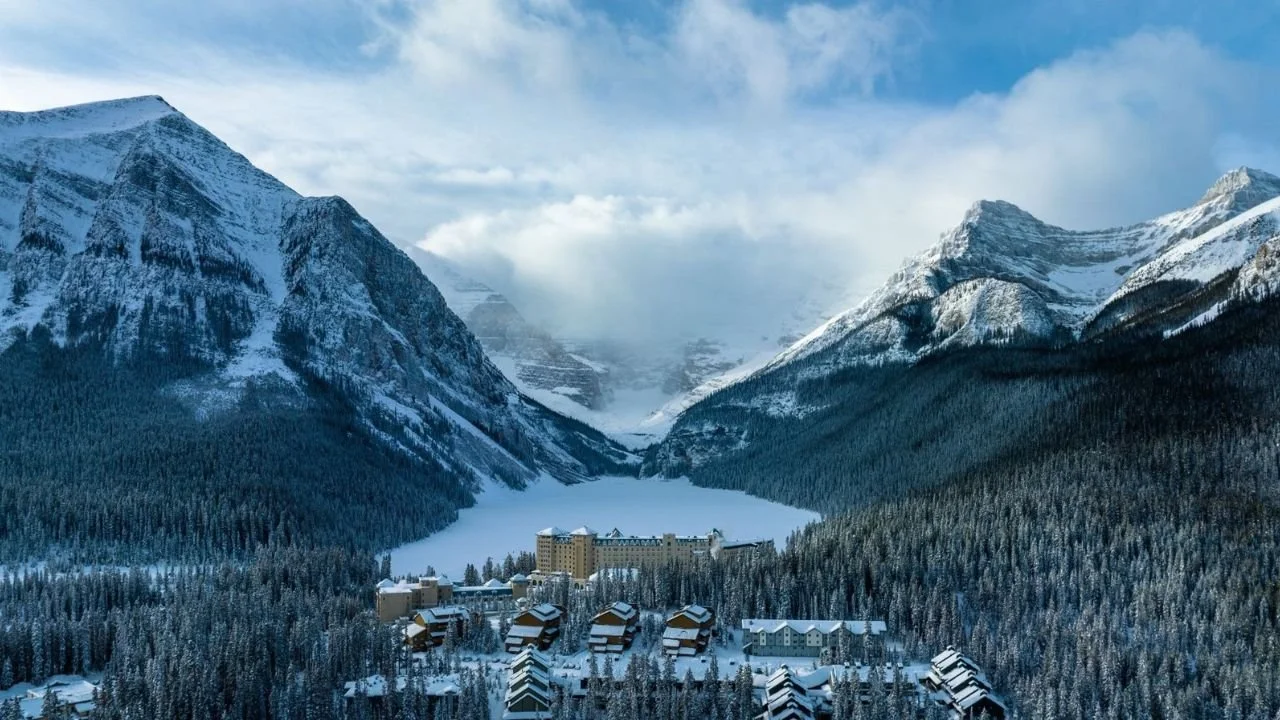
Banff in February is a great time to visit if you want to see the Canadian Rockies covered in snow. Lake Louise is frozen, the mountains are white, and there's plenty to do even if you don't ski. It gets very cold, though. You'll need warm clothes and a plan that leaves room for bad weather.
Not keen on driving through snow? You don't have to. At Canadian Rockies Experience, we offer luxury private tours with local guides who know the mountain roads. You can visit some of Banff's best winter spots without worrying about driving, parking, or fitting everything into one day.
Is February a Good Time to Visit Banff?
Yes, especially if you've always wanted to see a real Canadian winter. By February, there's usually plenty of snow on the ground. The ski hills are open, frozen waterfalls are a common sight, and Lake Louise looks nothing like it does in summer. You can still have a lovely trip without skiing. Spend a morning by the lake, walk through Banff town, or take a guided ice walk. There's no need to spend the whole day outdoors, either.
A few things to know before booking:
Best for: Snowy mountain views, skiing, ice walks, and snowshoeing.
Not ideal for: Canoeing, summer hikes, or seeing turquoise lakes.
Crowds: Family Day weekend can be busy.
Weather: Cold days, freezing nights, and possible snowstorms.
If you're hoping to hike in a T-shirt, February isn't your month. But if you love snow, it's a wonderful time to go.
Banff in February Weather: How Cold Does It Get?
February is cold. Some mornings, you'll feel it the moment you step outside. Even on a sunny day, the wind can make you wish you'd brought another layer. According to Parks Canada's historical weather records, Banff's average daytime high is around 0°C (32°F). At night, temperatures drop to about -11°C (12°F). Lake Louise tends to be colder, especially in the morning.
| Location | Average daytime high | Average nighttime low | February snowfall |
|---|---|---|---|
| Banff town | 0°C (32°F) | -11°C (12°F) | 30 cm |
| Lake Louise | -2°C (28°F) | -18°C (0°F) | 40 cm |
These are averages, so don't be surprised if you get a much colder day. Snow can fall at any time, and the roads may be icy after a storm. The good news? February has more daylight than January. By the end of the month, you'll have close to eleven hours of daylight to enjoy the mountains.
5 Best Things to Do in Banff in February
You don't need to book something every hour. In fact, winter days are often better when you keep things simple. Pick a couple of places you really want to see and leave time to warm up between stops.
1. Visit Frozen Lake Louise
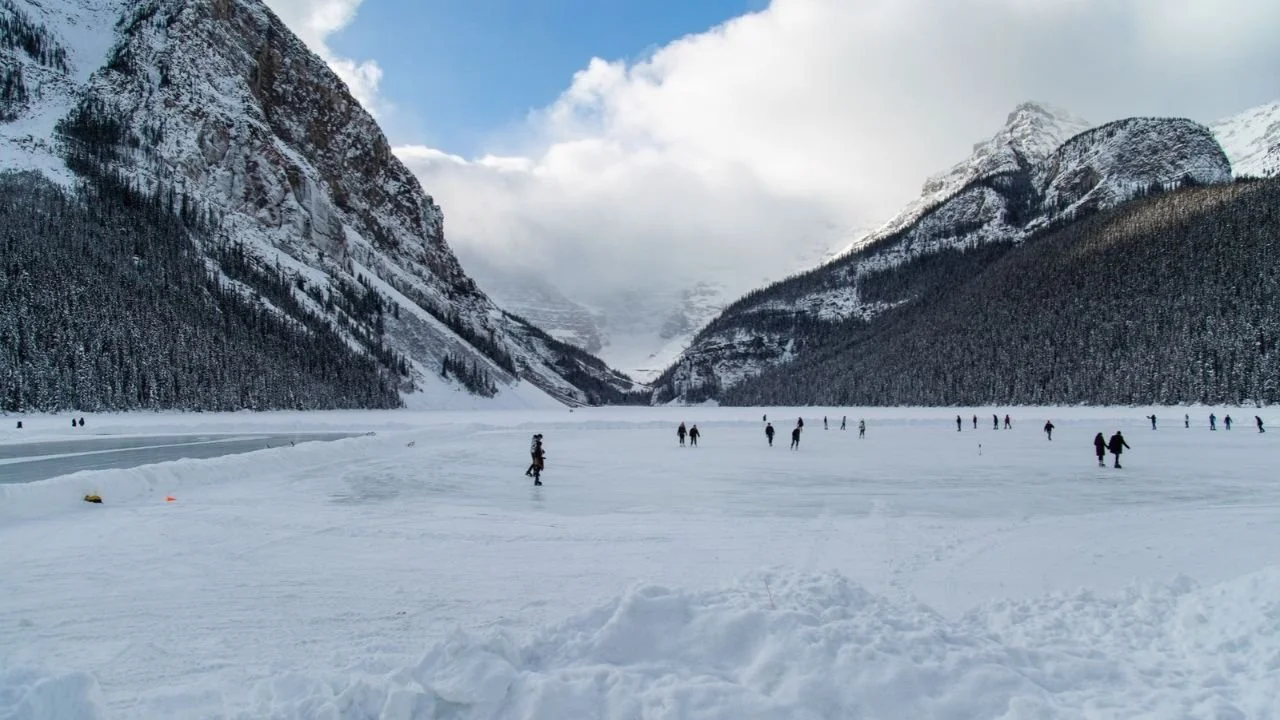
Lake Louise is one of those places that looks completely different in winter. The bright blue water you see in summer photos is gone. Instead, there's a wide stretch of snow with mountains rising behind it.
You can walk near the lakeshore, take photos, or watch people skate on the maintained rink when it's open. The Fairmont Chateau Lake Louise is right beside the lake, so you won't have to go far if you need a break from the cold.
Try to visit earlier in the day if you can. Parking can fill up, especially on weekends. If you'd rather skip the drive, book a private winter sightseeing tour that includes Lake Louise through Canadian Rockies Experience.
2. Walk Through Johnston Canyon
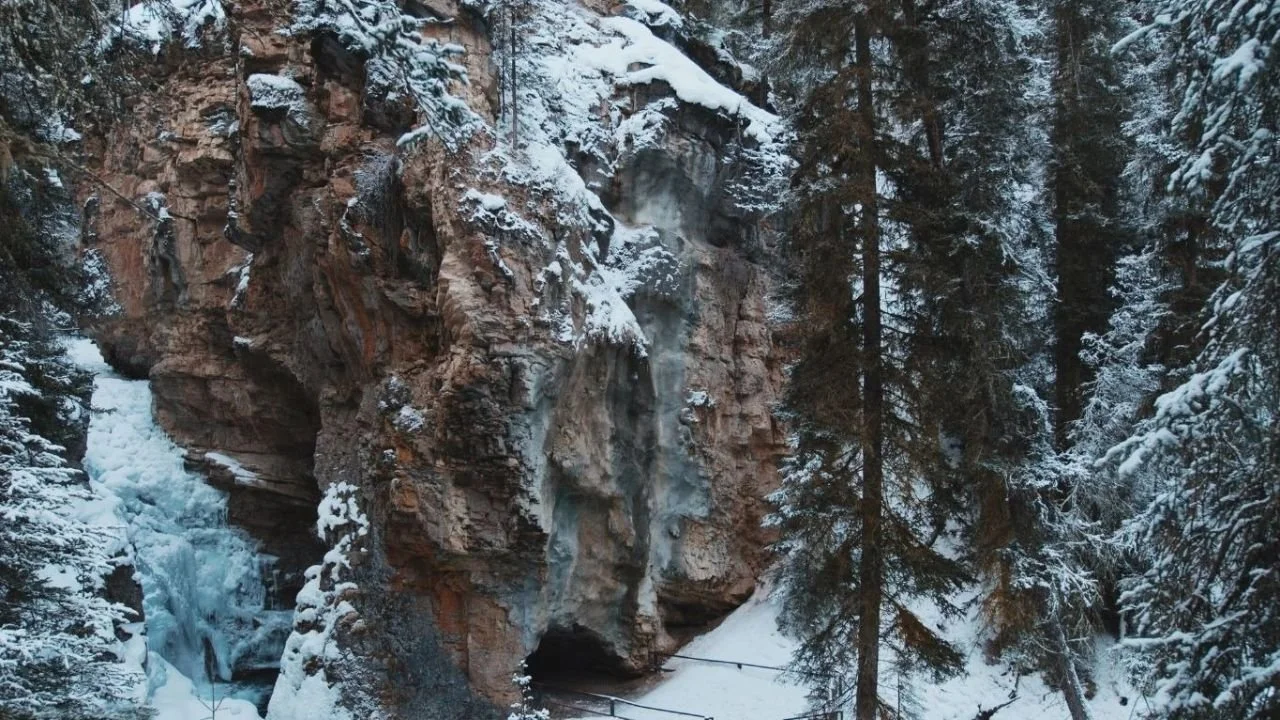
Johnston Canyon is well worth seeing in February. Water freezes along the rock walls, and the waterfalls can turn into huge columns of ice. It's quite a sight if you've only seen the canyon in summer. The walk to the Lower Falls is about 2.4 km return. That doesn't sound far, but the icy path can slow you down. Some sections are narrow, so good boots and ice cleats are important.
You can also book a private Johnston Canyon ice walk with Canadian Rockies Experience. The guided tour includes traction equipment and is a good option if you're new to winter trails. Check the departure point before booking.
3. Take the Banff Gondola Up Sulphur Mountain
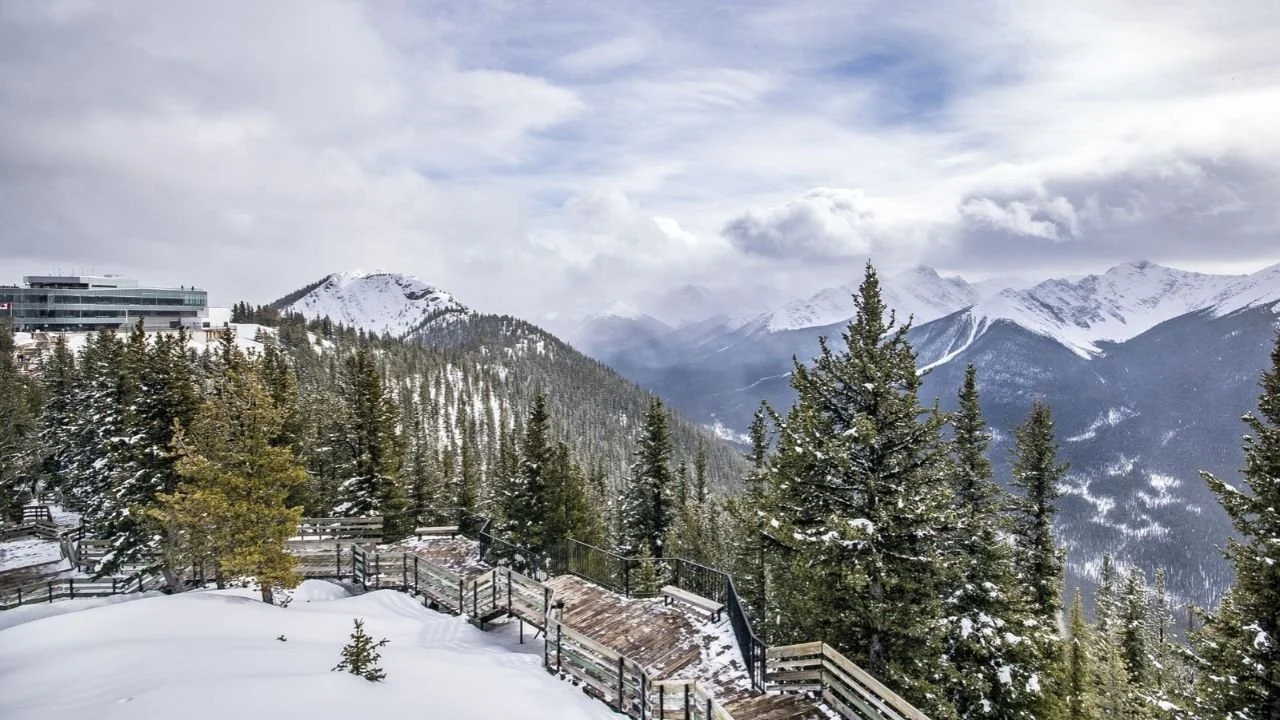
Want to see the mountains without hiking uphill? Take the Banff Gondola. It carries you up Sulphur Mountain, where you get a wide view of Banff town and the Bow Valley. There's a boardwalk at the top if you feel like walking a little farther. But you can still enjoy the view without doing the full walk. On a clear day, it's a lovely place for photos. Just don't underestimate the cold. The summit can be windy, and you'll want your gloves even if it felt quite pleasant down in town.
4. Give Snowshoeing a Try
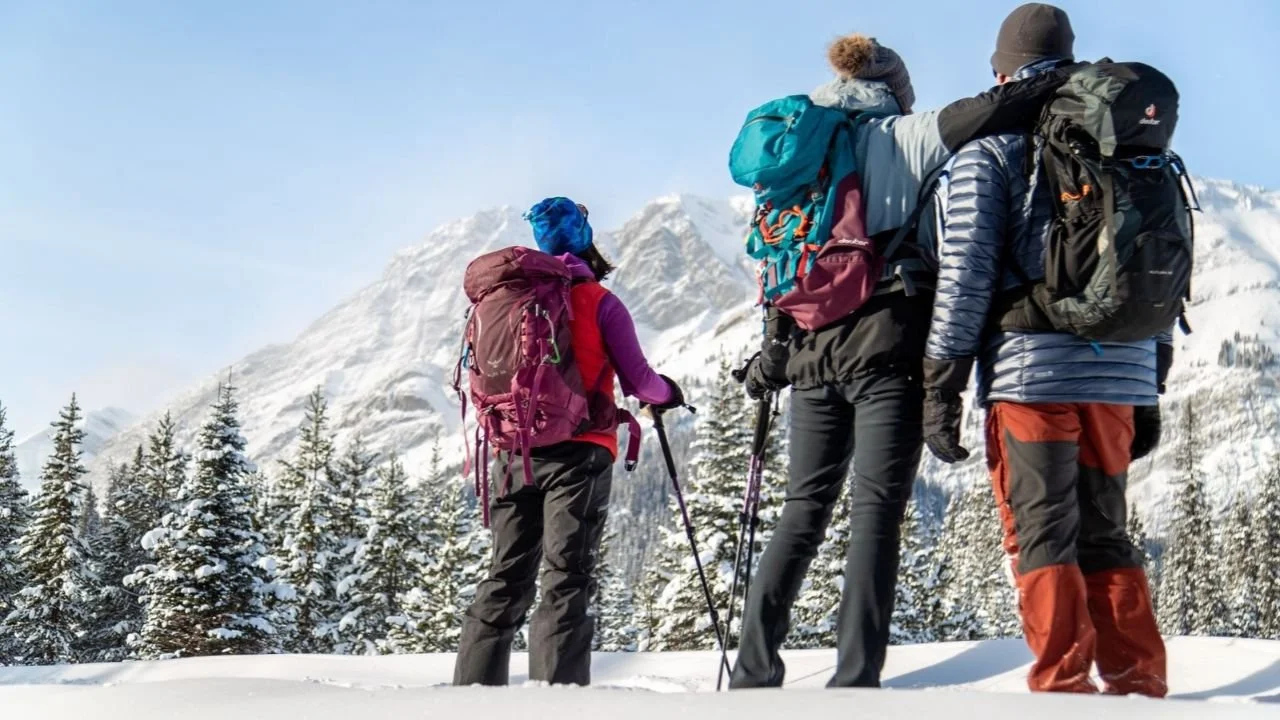
If you've never tried snowshoeing, Banff is a good place to start. You wear special footwear that helps you walk across snow without sinking as much. It feels a bit odd at first, but most people get used to it quickly.
You don't need skiing experience. Still, walking through snow takes more effort than walking on a clear path. Start with an easy trail and don't push yourself too far on your first outing. At Canadian Rockies Experience, we also offer guided winter activities. You can ask about private snowshoeing options and choose a route that suits your group.
5. See the Icefields Parkway in Winter
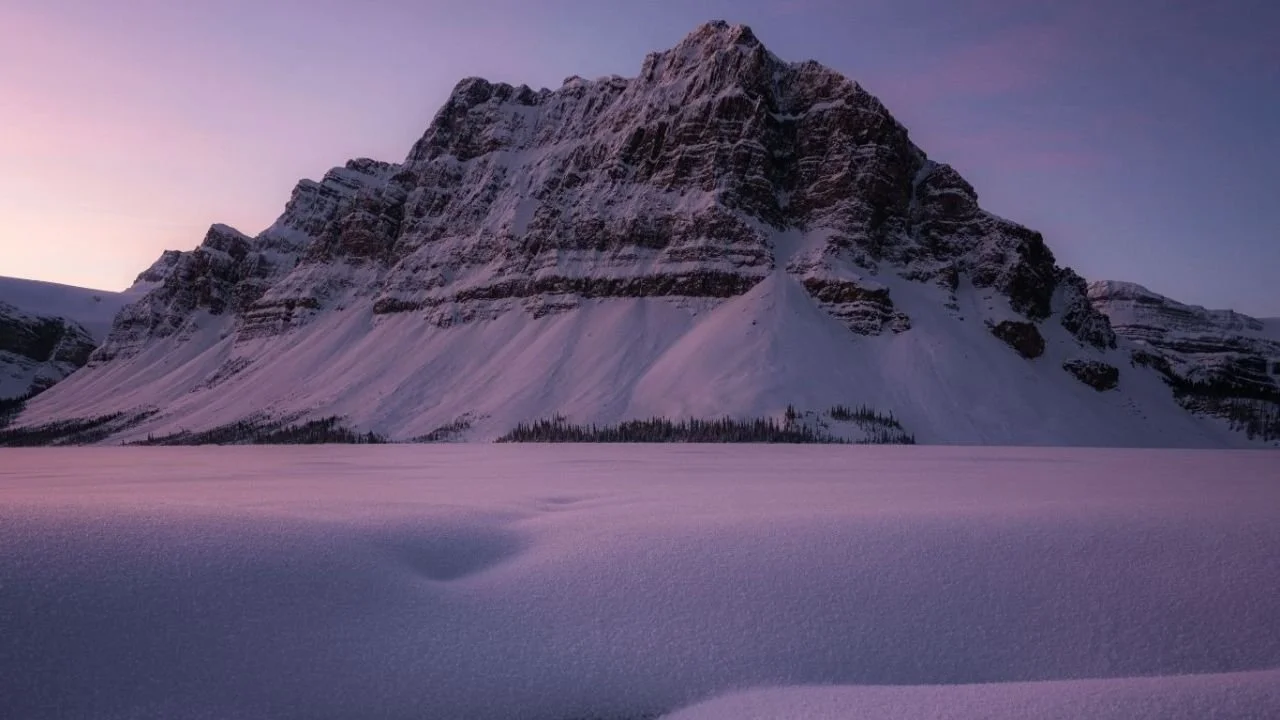
The Icefields Parkway is one of the most scenic roads in the Canadian Rockies. In February, you'll see snowy peaks, frozen lakes, and forests stretching along the highway. But winter driving here is no small thing. Snowstorms can reduce visibility, and sections of the road may close for avalanche control. There are also very few services along the way.
If you want to explore this area, check the road conditions before leaving. A private guided trip may be a better choice if you're not comfortable driving on snow.
When Is the Best Time to Visit Banff in February?
It depends on what you'd like to do. Early February can be fun if you want to catch winter events. Banff's SnowDays celebrations often run into early February, with snow sculptures and activities around town.
The Family Day long weekend is another popular time to visit. Hotels, ski resorts, and well-known spots such as Lake Louise can get busy. Book early if you're travelling around that weekend. Late February is a good choice if you want a little more daylight. The snow is usually still there, but you'll have more time to explore before sunset.
How to Spend 2 Days in Banff in February
Two days are enough to enjoy some of Banff's best winter sights. You won't see everything, and that's fine. It's better to enjoy a few places than spend most of your trip rushing between them.
Here's a simple plan:
| Day | Morning | Afternoon |
|---|---|---|
| Day 1 | Visit frozen Lake Louise | Explore Banff town and enjoy a warm meal |
| Day 2 | Take a Johnston Canyon ice walk | Relax or visit a nearby viewpoint |
If the weather turns bad, change the order. You don't want to drive a long distance just to find the mountains hidden behind clouds.
What Should You Pack for Banff in February?
The cold is much easier to handle when you're dressed for it. A thick jacket helps, but what you wear underneath matters too. Layers let you stay warm outside without overheating indoors.
Make sure you bring:
Thermal tops and leggings
A warm winter jacket
Waterproof boots with good grip
Thick socks and insulated gloves
A hat and neck warmer
Ice cleats for winter walks
Sunglasses and sunscreen
Bring an extra pair of gloves if you have room. Snow gets things wet, and cold fingers can spoil an otherwise lovely afternoon.
Is It Safe to Drive in Banff During February?
You can drive around Banff in February, but you need to be ready for snow and ice. Roads may look clear in one area and become slippery a few kilometres later.
The Icefields Parkway requires winter tires or chains during the winter season. Road closures can happen with little notice, so check Alberta 511 before heading out. Moraine Lake Road is also closed to regular vehicle access in winter. Some summer hiking trails aren't safe because of avalanche risk.
If you're visiting from somewhere that rarely gets snow, think carefully before renting a car. A private tour can take away much of the stress, especially when you want to visit places outside Banff town.
Explore Banff With Canadian Rockies Experience
February is a lovely time to see Banff, but you don't need to squeeze every attraction into your trip. A quiet morning at Lake Louise or a guided walk through Johnston Canyon can be just as memorable as a full day of activities.
At Canadian Rockies Experience, we offer luxury private tours for visitors who want to explore the mountains without dealing with winter driving. Our guides can help you choose a trip that suits your interests, whether you're travelling as a couple, with friends, or with family.
If you've come all this way to see the Canadian Rockies in winter, why not give yourself time to enjoy them?
FAQs About Banff in February
Is Banff too cold in February?
It's cold, but you can still enjoy sightseeing. Dress in warm layers and plan indoor breaks between outdoor activities.
Is Lake Louise frozen in February?
Yes, Lake Louise is normally frozen and covered in snow. Skating may be available on the maintained rink, depending on conditions.
Can you see the Northern Lights in Banff in February?
It's possible, but not guaranteed. You'll need clear, dark skies and enough aurora activity. Don't count on seeing them every night.
How many days should you spend in Banff in February?
Two or three days are a good start. You'll have time to visit Lake Louise, explore Banff town, and try a winter activity without rushing.
