
Banff in January 2027: Weather, Things to Do + 5 Local Tips
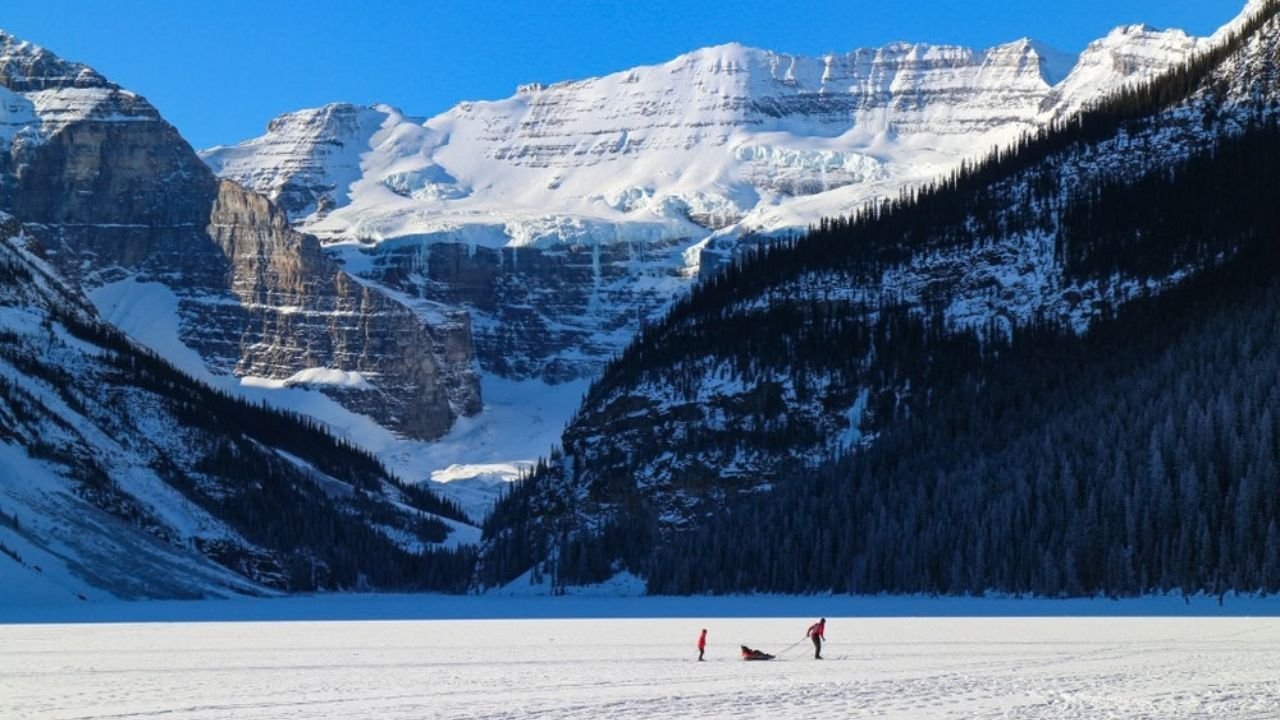
Banff in January is a great pick if you love snow, frozen lakes, and quiet mountain views. The town also feels less busy than it does in summer. But winter can change your plans fast. Cold weather, short days, and icy roads all matter.
Banff’s average January daytime temperature is about -5°C. Nights are often close to -14°C. Lake Louise can feel even colder, especially when the wind picks up. If this is your first winter trip, do not pack too much into one day. Choose a few places and enjoy them at a slow pace. In Banff, the best moments often happen when you stop rushing.
Banff in January 2027 at a Glance
January in Banff is cold, snowy, and calm. The views are beautiful, but winter moves at its own pace. It helps to know a few basics before you plan each day.
Daytime temperature: Around -5°C
Night temperature: Around -14°C
Daylight: About eight hours at the start of January
SnowDays 2027: January 21 to February 7
Moraine Lake: Not open for regular winter visits
Johnston Canyon: Open, but often icy
SnowDays is a nice bonus if your trip falls in late January. Just keep in mind that some event details may still change.
1. Plan Banff in January Around Daylight, Not a Long Checklist
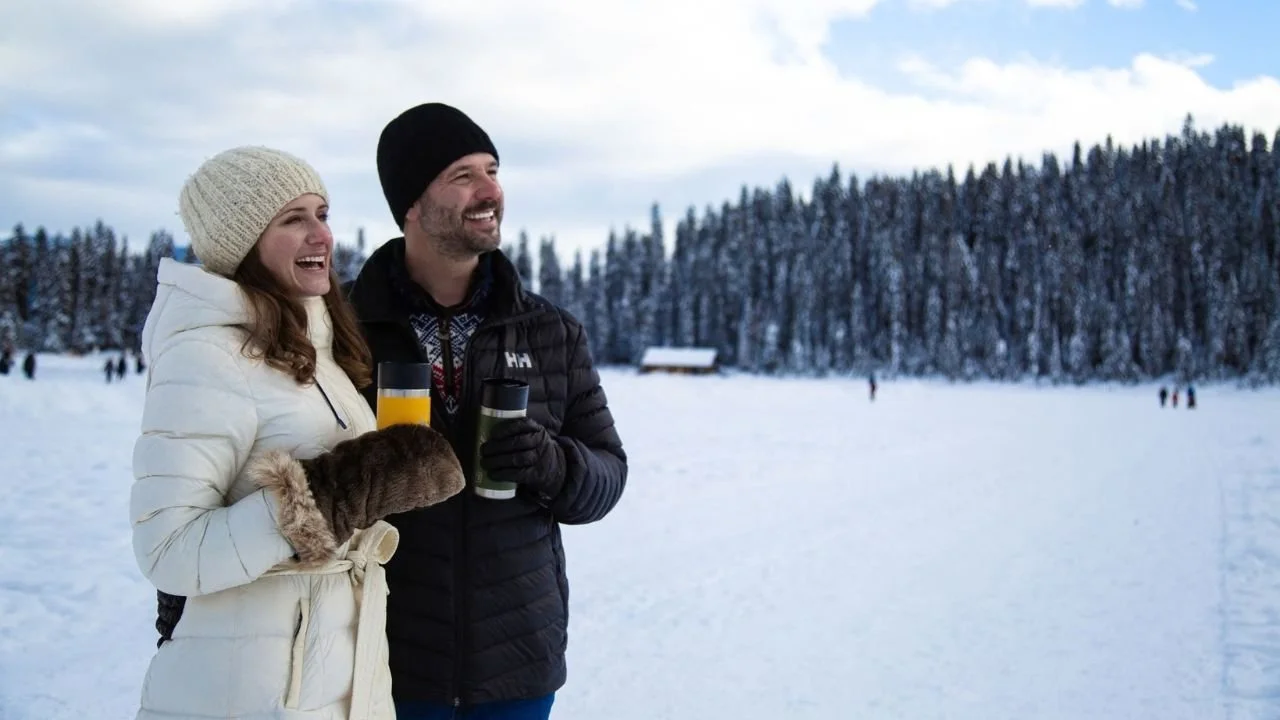
One of the easiest mistakes is planning January like a summer trip. On January 1, daylight lasts only around eight hours. By the end of the month, you gain more than an hour, but you still have far less touring time than in July.
That matters when you want Lake Louise, Banff viewpoints and several photo stops in one day. Roads take longer to drive when it snows, and a ten-minute drive to a viewpoint can easily become half an hour when the light is good. You came to enjoy the Rockies, not race through them.
A useful winter rhythm is:
Start after the darkest part of the morning.
Put your most important outdoor stop in daylight.
Leave space between major locations.
Keep one indoor or flexible activity for later in the day.
This is where a private Canadian Rockies tour can make sense. We offer private sightseeing experiences with local guides, accommodation pickup and winter transport rather than putting guests on a fixed large-group schedule.
2. Dress for the Stop, Not the Car
Here is a very normal January moment. You leave your hotel, get into a warm vehicle and think, “It really isn’t that cold.” Then you step out beside an open lake with wind moving through the valley. That is when the extra layer suddenly earns its place in your bag.
Dress in layers rather than relying on one heavy coat. Good insulated boots matter just as much. Mittens or gloves and a warm toque are basic winter gear, not optional extras.
For a sightseeing day, pack:
Warm base layers
Fleece or wool mid-layer
Insulated winter coat
Waterproof or warm winter boots
Wool socks
Mittens or gloves
Toque
Sunglasses
Lip balm and hand warmers
At Canadian Rockies Experience, we specifically advise winter guests to bring insulated footwear and layers.
3. Choose Lake Louise, but Know What Is Closed
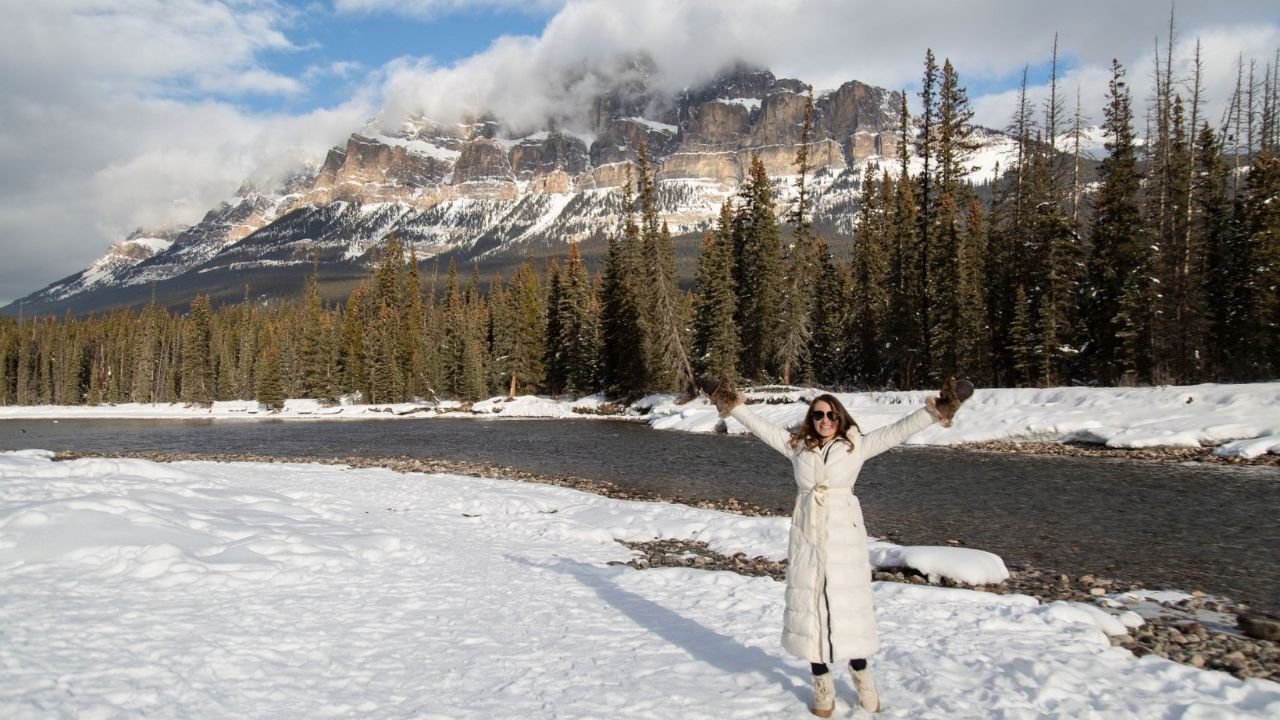
Lake Louise is one of the easiest places to recommend in Banff in January. The summer crowds are gone, snow sits around the valley, and Victoria Glacier rises above the frozen landscape. You do not need a long hike to understand why people travel across the world to see it.
But do not build a January plan around Moraine Lake. Lake Louise Lakeshore stays open year-round, but Moraine Lake is different. Parks Canada states that the lake itself is inaccessible in winter because of avalanche hazard, while Moraine Lake Road is closed to personal vehicles year-round.
If you want a relaxed sightseeing day, the Private Banff Highlights & Lake Louise Tour links Lake Louise with places such as Lake Minnewanka, Two Jack Lake, Surprise Corner and Norquay Lookout. The current tour runs for six hours with pickup from Banff or Canmore and uses a luxury SUV or executive van.
That combination works well for first-time visitors because you get variety without spending the entire day outdoors.
4. Make Johnston Canyon Your Active Winter Day
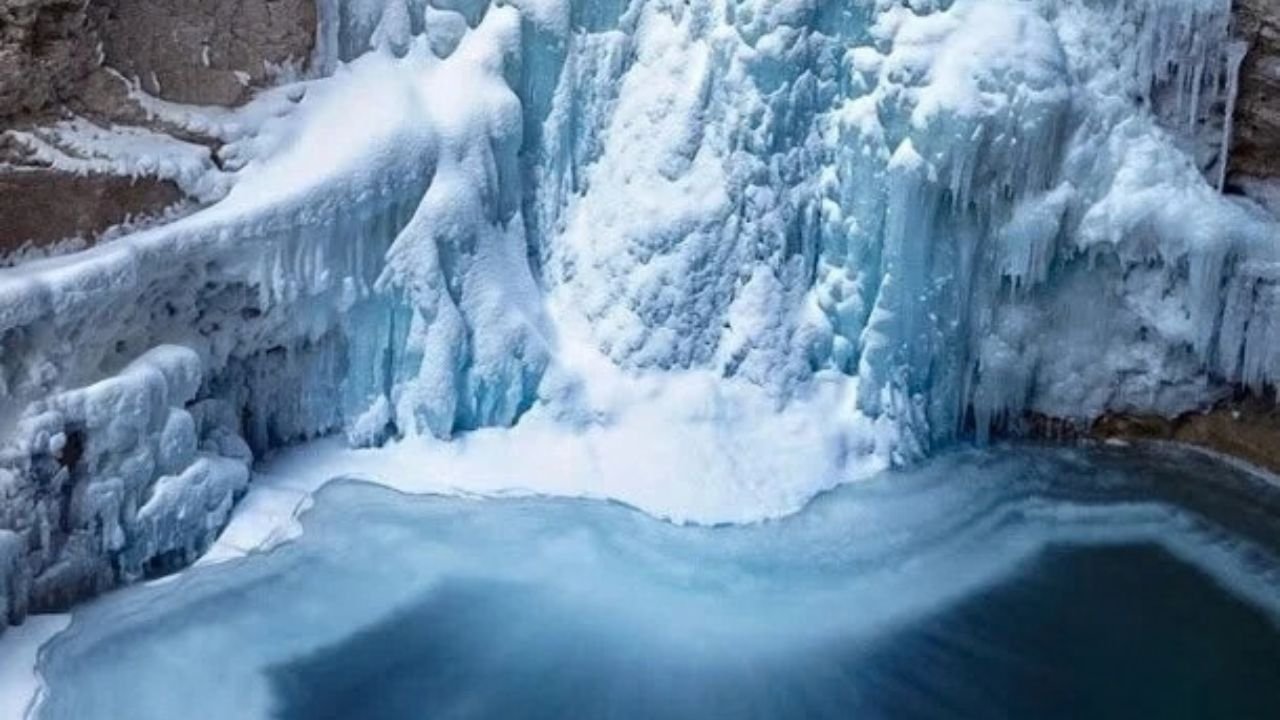
If sightseeing alone feels too passive, Johnston Canyon gives you a proper winter outing without committing to a major mountain hike. Snow fills the canyon while frozen waterfalls form along the cliffs. The setting feels very different from Banff’s wide lake views.
But the ice deserves respect. Parks Canada says the Johnston Canyon trail is usually very icy and strongly recommends ice cleats. The Lower Falls are about 1.2 km one way. The Upper Falls are about 2.5 km one way, with around 120 metres of elevation gain.
Ask yourself three things before going:
Am I comfortable walking on packed snow and ice?
Does anyone in my group need a slower pace?
Do we have proper traction and warm footwear?
If you would rather have the gear and logistics handled, the Private Johnston Canyon Ice Walk Tour from Lake Louise includes traction aids, poles and backpacks. The current tour is four hours, covers about 5 km return and is listed for children aged six and older.
5. Let Weather Decide the Final Version of Your Day
Mountain weather has the final vote in January. A clear morning can become snowy. Wind can make the same temperature feel much colder at an exposed lake than it does in Banff town. This is why flexibility matters more than squeezing in another attraction. Parks Canada recommends checking road conditions before winter drives and notes that the sun sets early. Some mountain roads also have winter tire or chain requirements.
At Canadian Rockies Experience, we take a similar approach. Our winter tours can be cancelled when temperature and wind chill make conditions unsuitable. That is the sort of judgement you want from a winter operator. Because the goal is not simply to complete an itinerary.
Best Things to Do in Banff in January
There is far more to January than driving between viewpoints. If you have three or four days, mix one active day with sightseeing and some time in town. Your legs will thank you by the end of the trip.
Some of the best things to do in Banff in January include:
Visit frozen Lake Louise
Walk through Johnston Canyon
Ride the Banff Gondola
Ski or snowboard
Try cross-country skiing or snowshoeing
Explore Lake Minnewanka and Two Jack Lake
Spend an evening in Banff town
Visit SnowDays from January 21, 2027
Leave time for a spa, long lunch or après-ski stop
Banff & Lake Louise Tourism also highlights skiing, skating, tubing and cross-country skiing as key January activities.
Is a Private Banff Winter Tour Worth It?
Not everyone needs a guide. If you are used to driving on Canadian winter roads, know the area and plan to spend most of your holiday skiing, renting a car may suit you perfectly well. A private tour becomes more useful when comfort and time matter. Perhaps this is your first Canadian winter. Maybe your parents want less walking while you want good photographs. Or perhaps you simply do not want to spend your holiday checking road reports and parking lots.
Our Private Banff Winter Experience at Canadian Rockies Experience includes accommodation pickup and a luxury SUV. We also offer hot drinks and pastries, park passes and Banff Gondola tickets.
A Simple 3-Day Banff January Plan
You do not need a full week to enjoy Banff in winter. Three good days can be enough, especially on your first visit.
Day 1: See Banff viewpoints, Lake Minnewanka, Two Jack Lake, and the Banff Gondola.
Day 2: Spend time at Lake Louise. Walk by the lake and stop for photos.
Day 3: Visit Johnston Canyon. Then enjoy a slow afternoon in Banff.
If you visit after January 21, you can add SnowDays in the evening. There is no need to change your whole plan for it. Keep some space in your day. Snow, light, and road conditions can change fast. Sometimes the place you planned to see for 20 minutes becomes your favourite stop.
