
Best Canmore to Banff Tours in 2026: Easy Planning Guide for Every Traveler
Canmore to Banff is one of the simplest and most flexible ways to explore Lake Louise and the Canadian Rockies, especially if you want adventure without stress. You are close to everything, yet far enough away to breathe. The drive is short. The views start early. And the day never feels like it is slipping away before it even begins.
That is the quick answer most travelers are searching for. The longer answer comes down to how you want to experience this place. Slow mornings or packed schedules. A guide who reads the weather and crowds, or the freedom to wander on your own. Some days call for structure. Others work better when plans stay loose.
This guide is for people who want honest, practical guidance. Not hype, but just a clear way to travel through Canmore to Banff so the mountains feel enjoyable, not overwhelming, and Lake Louise feels like a moment you remember, not a stop you rushed through.
Why is Canmore to Banff a Smart Base?
Canmore sits just outside Banff National Park. That small detail changes the whole feel of the trip. You stay close to the highlights without living in the middle of the crowds. Banff town gets busy early, but Canmore stays calm, especially in the mornings.
You can still easily reach Banff, Lake Louise, and Moraine Lake. The Canmore to Banff driving route usually takes about 20 minutes. Some days feel even shorter. On clear mornings, the views begin almost right away. Peaks rise fast on both sides of the road. Elk and deer often appear before the traffic does.
That short drive gives you breathing room. Plans do not feel locked in. You can wait for the fog to lift. You can change the timing if parking fills up. You can head back early or stay out late without stress.
That flexibility is the real luxury. Not fancy hotels or packed schedules. Just the freedom to move at your own pace while staying close to the heart of the Canadian Rockies.
Who Should Consider Canmore to Banff Tours
Canmore to Banff tours suit travelers who value the experience itself. Not the rush. Not the checklist.
They are a good fit for:
First-time visitors to the Canadian Rockies
Couples who want scenery, not crowds
Families with teens who enjoy nature at a steady pace
Solo travelers who want guidance and ease
Lake Louise lovers chasing calm light and quiet moments
If someone wants constant adrenaline, this may feel slow. But for travelers who want to feel the mountains, not race through them, these tours make sense.
Is This Area Beginner-Friendly?
This question comes up all the time. The honest answer is yes. Most Canmore to Banff tours are beginner-friendly. Elevation stays manageable, trails are well-maintained, and stops are frequent.
The challenge is not fitness, but weather and timing. Snow can fall suddenly, wind can change plans, and parking restrictions shift daily. That is where local experience matters.
Operators like Canadian Rockies Experience build tours around real conditions, not fixed promises. Routes change when they need to. Pace slows when it should. That flexibility removes most of the risk people worry about.
Summer Canmore to Banff Tours (May to October)
Summer brings color, long days, and iconic views. It also brings crowds. The right tour makes the difference between rushing and enjoying.
Private Canmore to Banff Tours
Private tours work best for travelers who want control without the headache.
We at Canadian Rockies Experience offer a dedicated Canmore Private Tour that covers the Three Sisters Mountain viewpoint, Policeman’s Creek, Quarry Lake, and quieter stops most visitors never find. If you wish to visit Lake Louise, Moraine Lake, and Banff, tours to all these places can be done from Canmore. And, we pick up from Canmore as well as Banff.
These tours suit people asking:
Do I want flexibility if the weather shifts?
Is avoiding crowds worth the cost?
Would local timing improve photos?
For many, the answer becomes obvious at the first quiet stop.
Guided Summer Tours
Guided group tours offer structure without rigidity. Typical experiences include:
Lake Louise and Moraine Lake planning
Short walks with context
Wildlife viewing along scenic roads
Stories that make the landscape feel alive
Our guided summer tours are designed around flow, not rushing. The day adapts to light, weather, and group energy.
Winter Canmore to Banff Tours (November to April)
Winter changes the mood completely. The crowds thin, sound softens, and mountains feel closer. This is not the season for guesswork.
Guided Winter Experiences
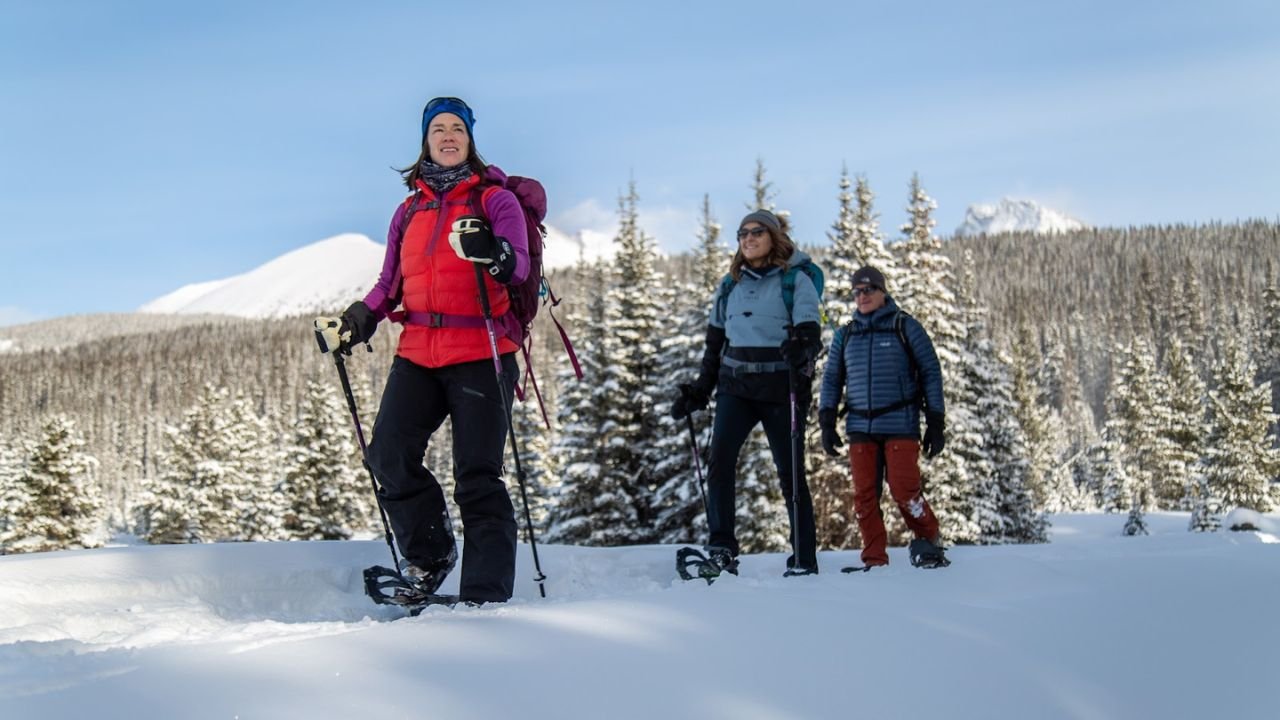
Winter tours focus on safety and timing. Snowshoeing, frozen waterfalls, wildlife tracks, and winter photography replace summer hikes.
Canadian Rockies Experience offers guided winter experiences built around snow conditions and daylight windows. Routes change daily based on the weather.
People often wonder:
Is it too cold?
Is winter worth it?
Will I enjoy snowshoeing?
Most leave surprised. Winter often feels more personal than summer.
Canmore to Banff Driving vs Guided Tours
Some travelers love being fully independent. Others just want the day to flow. Neither choice is wrong, but they feel very different once you are on the ground.
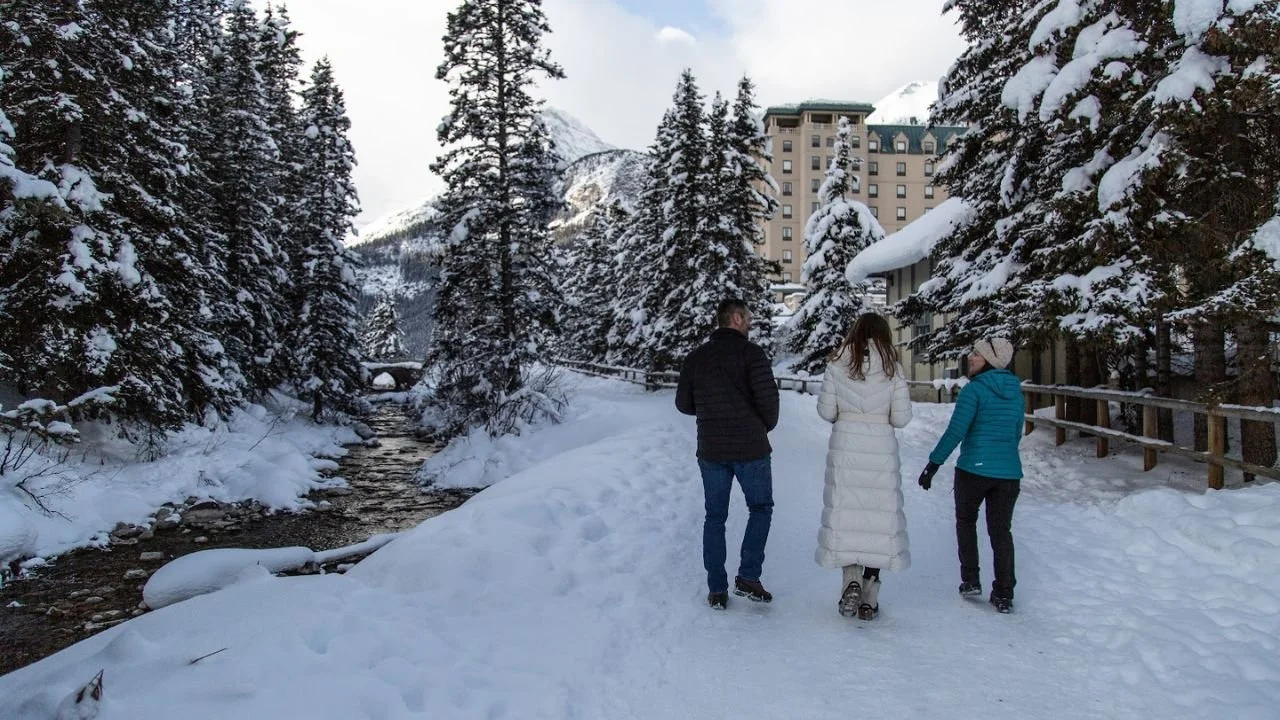
Canmore to Banff driving gives you freedom. You choose when to leave. You decide where to stop. But it also comes with trade-offs. Parking fills early. Lake access is timed. The weather changes fast. One wrong turn or late start can quietly eat up hours.
Guided tours take those decisions off your plate. Routes adjust. Timing is handled. Someone else watches the weather and the crowds while you stay present.
Before deciding, ask yourself:
Do I want to manage logistics all day?
Or do I want to relax and enjoy the scenery?
Many travelers only realize this later. Planning sounds simple. Living it can be tiring. And in the mountains, energy is often better spent looking up than looking at maps.
Do You Really Need a Guide?
Sometimes no. Often yes. And the difference usually becomes clear once the day begins.
A guide matters most when timing and conditions matter. During peak season, small mistakes cost time. In winter, they can cost comfort or safety. And when the goal is more than just photos, local knowledge changes everything.
A guide is especially helpful when:
Visiting during busy summer months
Traveling in winter or the shoulder seasons
Looking for quieter viewpoints away from crowds
Wanting stories, context, and meaning, not just scenery
Good guides notice the details most people miss. A shift in wind before clouds roll in. Animal movement near tree lines. Light changes on a lake that looks flat an hour later. These small calls shape the entire experience.
Without context, the mountains look beautiful. With a guide, they start to make sense.
What Makes the Canadian Rockies Experience Different?
Not all tours feel the same. You notice it in small ways—how long you stay at a viewpoint, if anyone rushes you, or how the guide reacts to changing weather.
Canadian Rockies Experience keeps it simple. Small groups or private tours. Guides know the area inside out, and routes are flexible. Crowds or bad light? They adjust and explain why.
The tours feel personal, not rushed or scripted. There’s time to ask questions, pause for photos, or just take it in. That flexibility makes a big difference in the Rockies.
Choosing the Right Canmore to Banff Tour
Before booking, pause and think. Most stress comes from rushing. Ask yourself: How do I want to feel at the end of the day?
Then consider:
What season am I visiting?
Am I okay with cold, wind, or snow?
Do I want hikes, photo stops, or both?
Privacy or small group?
If unsure, private tours are usually the easiest choice. They adapt when plans change.
Final Thoughts on Canmore to Banff Tours
Canmore to Banff gives you freedom and calm. Guided tours take the stress out of planning. Summer brings variety, winter brings quiet, intimate moments, and local guides turn a simple drive into something memorable. The Rockies don’t demand toughness. They reward patience and curiosity.
Want to make the most of your day? Check out Canadian Rockies Experience. Our private or guided tours take you around the mountains in a way you won’t get on your own. The question isn’t how much you can see—it’s how deeply you want to feel the Rockies.
