
Snowshoeing Lake Louise: 5 Essential Things to Know Before You Go
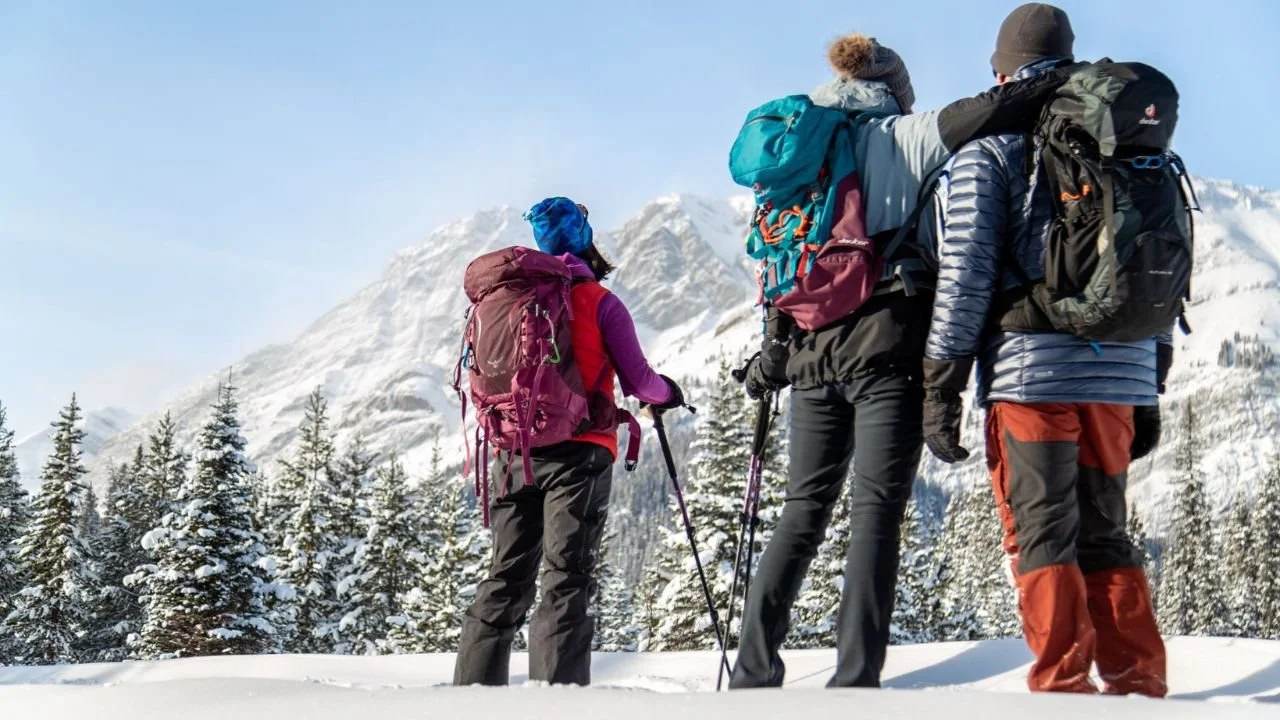
Thinking about trying snowshoeing at Lake Louise this winter? You don't need to be an experienced hiker. In fact, it's a nice way to spend a few hours outdoors without taking on a difficult mountain trail. But there's a little planning involved. You need enough snow, the right footwear, and a route that suits your ability. And if you're visiting without a car, getting to the trailhead can be another thing to sort out.
You have two choices. Explore a suitable winter trail on your own or join a guided outing. At Canadian Rockies Experience, we offer private snowshoe tours with pickup from Lake Louise. We take guests into the Canmore–Kananaskis area for the guided walk, with equipment and comfortable SUV transport included.
Here's what we'd suggest knowing before you make plans.
1. Where Can You Go Snowshoeing Around Lake Louise?
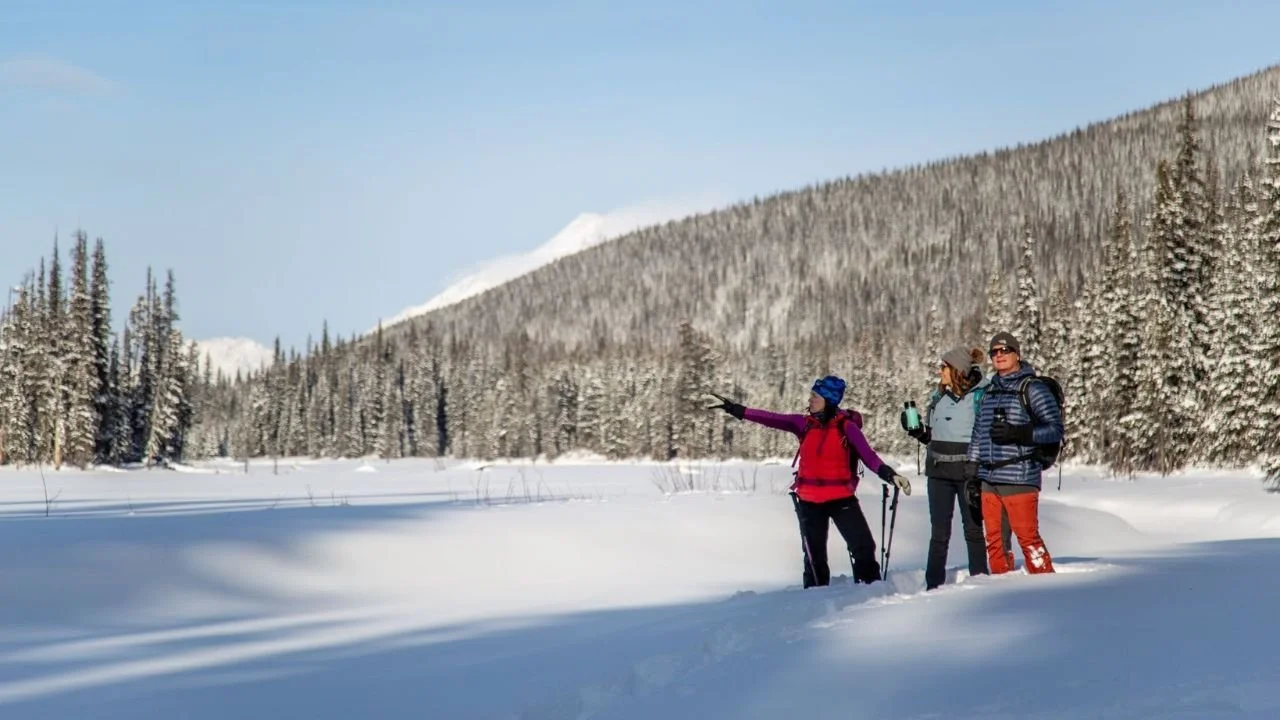
Lake Louise looks quite different once winter settles in. The lake freezes, snow covers the surrounding forest, and the mountains seem even bigger against the white landscape. There are winter trails around the area, but you can't assume every path is suitable for snowshoes. Some get packed down by walkers. Others become icy, especially when temperatures change. After heavy snowfall, even a short route can take more effort than expected.
If you're heading out independently, have a look at the Parks Canada winter trail guide. It gives you a better idea of which routes are suitable and what safety concerns to consider. You don't have to explore alone, either. If you'd prefer a guided outing, at Canadian Rockies Experience we offer pickup from Lake Louise. Your guide drives you to the Canmore–Kananaskis area, where you'll spend time snowshoeing through the winter landscape.
It's worth knowing the difference before booking. The pickup is at Lake Louise, but the guided walk takes place elsewhere in the Rockies.
2. Can Beginners Try Snowshoeing at Lake Louise?
Yes, and you might find it easier than you expect. If you've never worn snowshoes, the first few steps can feel a little awkward. They're wider than your boots, so you need to leave more room between your feet. Give yourself a few minutes. You'll soon find a walking pace that feels comfortable. The snow makes the biggest difference. A firm trail is usually easier to walk on than fresh, deep powder. Hills can also leave you more tired than a normal walk would. There's no need to start with a long route.
For your first time:
Pick a short trail with manageable terrain.
Check the weather before leaving.
Give yourself plenty of daylight.
Take breaks when your legs need them.
Head back if you're getting cold or tired.
Don't worry about how far other people are walking. A short outing can still be a great introduction.
Is Snowshoeing Harder Than Regular Walking?
Sometimes, yes. On firm snow, the movement isn't too different from walking. Deep snow takes more effort because you're lifting your feet through it. You'll probably notice that on an uphill section. Take smaller steps and don't rush. If you're breathing harder than usual, stop for a minute. For most beginners, feeling comfortable matters far more than covering a certain distance.
3. Can You Book a Private Snowshoe Tour from Lake Louise?
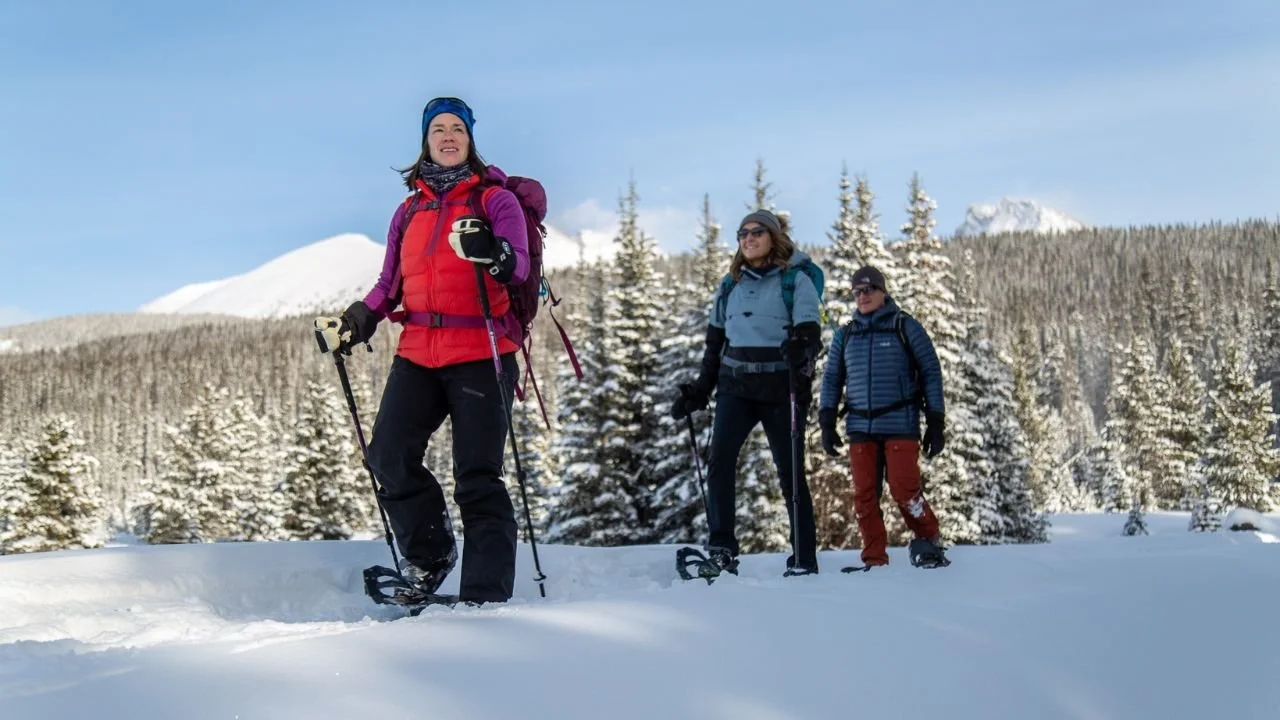
Yes, and if you're staying at Lake Louise without a rental car, this could make your day much easier. Our Private Canadian Rockies Snowshoe Introduction Tour from Lake Louise begins with pickup at Lake Louise. Your guide meets you at around 10 AM. From there, you'll travel by luxury SUV toward the Canmore–Kananaskis area. That's where the snowshoeing happens.
The entire experience takes around five hours, including travel. You'll spend roughly two hours on snowshoes, covering about five kilometres. You don't need previous snowshoeing experience. However, you should be comfortable walking outdoors for a couple of hours.
What Do We Include?
You won't have to arrange snowshoe rentals or work out how to reach the walking area.
The tour includes:
A private local guide
Luxury SUV transport
Snowshoes, poles, and backpacks
Hot drinks and pastries at pickup
Around two hours of snowshoeing
A packed lunch
You'll need to bring your own warm boots, gloves, hat, and winter clothing. One thing we like about this option is how straightforward the day can be. You meet your guide, get your equipment, and head out together. There's no need to spend your morning looking for a rental shop or checking driving directions.
What If You're Staying in Banff Instead?
You can still enjoy a private snowshoe outing. For visitors interested in snowshoeing in Banff, we also offer a Private Canadian Rockies Snowshoe Introduction Tour with pickup from Banff or Canmore. The guided walk takes place in the Canmore–Kananaskis area. So, before booking, check which pickup option works best for where you're staying.
4. When Is the Best Time for Snowshoeing Lake Louise?
December through March is usually a good time to plan a snowshoe trip. Still, winter conditions can be quite different from one year to the next. A snowy December doesn't guarantee every trail will be ready. And even in March, fresh snowfall can change your plans. Here's what to expect through the main winter months:
December and January
Expect cold days and limited daylight. Lake Louise can be especially chilly in the morning. If you're not used to Canadian winters, you may find the cold more noticeable than the walking itself. Plan a shorter outing and bring extra layers.
February
February is another popular time to enjoy the winter landscape. Snow cover is often well established by then, although conditions still vary. Some days are bright and clear. Others bring fresh snow, wind, or very low temperatures. Check the forecast rather than relying on the calendar.
March
March gives you more daylight, which is helpful if you don't like rushing through the morning. It can still be very cold, though. Don't leave your warm clothing behind just because spring is getting closer. Lake Louise sits at roughly 1,600 metres above sea level. If you've just arrived from somewhere much lower, take your time when walking uphill.
5. What Should You Bring for Snowshoeing at Lake Louise?
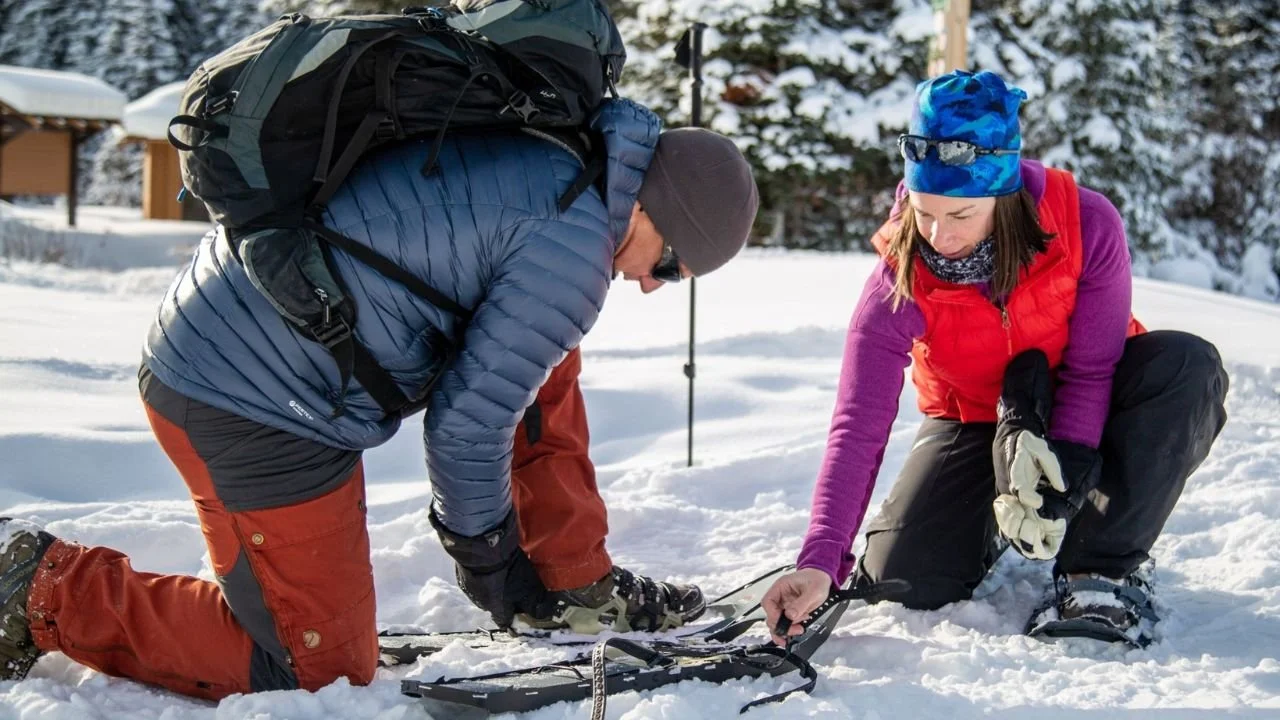
Cold feet can spoil an otherwise lovely winter walk. That's why we'd pay more attention to your boots than anything else. They should be warm, waterproof, and comfortable enough to walk in for a couple of hours. Ordinary trainers won't do much for you in deep snow. The rest is mostly about dressing in layers. You might feel cold while getting ready, then warm up quickly once you start moving.
Here's what we'd pack:
Waterproof winter boots: Choose a pair you've already worn comfortably.
Warm socks: Wool or synthetic socks are useful in cold weather.
Thermal layers: Wear something warm beneath your jacket.
Winter jacket: Make sure it protects you from wind and snow.
Gloves and hat: Keep your hands and ears covered.
Sunglasses: Bright sunlight reflecting off snow can be uncomfortable.
Water and snacks: You'll still need both, even when it's cold.
If you're exploring independently, you'll also need suitable snowshoes and any recommended safety equipment. One thing worth remembering: snowshoes aren't always the right choice. On icy or heavily packed trails, ice cleats may be more useful. Check the conditions before deciding what to wear on your feet. If you're joining our guided tour, we'll provide the snowshoes and poles for the planned outing.
Is a Private Snowshoe Tour Worth the Money?
That depends on what kind of day you're hoping for. If you're comfortable finding trails and already have winter equipment, exploring independently may suit you. But perhaps you're visiting Lake Louise for just two or three days. You don't have snowshoes, you're unfamiliar with winter roads, and you'd rather not spend half the morning arranging things.
That's where a private tour can make sense. You have someone to handle the driving, equipment, and route planning. Your guide can also help you find a comfortable walking pace. It's particularly useful for couples, families, or anyone who prefers travelling with their own group. You will pay more than you would for an independent walk. But you're also paying for the transport, equipment, and personal guidance.
Make Your First Snowshoe Trip a Good One
You don't need to walk for hours to enjoy winter around Lake Louise. Sometimes, a short outing is all you want, especially when it's your first time wearing snowshoes. If you're happy exploring independently, check the trail conditions and choose a route that suits you. If you'd prefer a private guided day, we'd be glad to help.
At Canadian Rockies Experience, we arrange snowshoe outings with pickup from Lake Louise, comfortable transport, and the equipment you'll need for the walk in Kananaskis. Take a look at our private snowshoe tour from Lake Louise, or contact our team to talk about your travel dates.
Frequently Asked Questions
Can you go snowshoeing at Lake Louise without a guide?
Yes. You can explore suitable marked winter trails independently. Just check the Parks Canada trail information first, as conditions can change quickly.
Is snowshoeing at Lake Louise good for beginners?
It can be. Choose a short, manageable route and allow time to get comfortable with the snowshoes. You don't need to start with a long hike.
Can you rent snowshoes at Lake Louise?
Local winter equipment providers may offer rentals. Check availability before your visit. If you book our private snowshoe tour, snowshoes and poles are included.
How long does a beginner snowshoe trip take?
You could start with a short walk lasting 30 to 60 minutes. Our guided introduction includes approximately two hours of snowshoeing over roughly five kilometres.
Does Canadian Rockies Experience offer guided snowshoeing at Lake Louise?
We offer private tours with pickup from Lake Louise. Your guide then takes you to the Canmore–Kananaskis area, where the snowshoe walk takes place.
