
What is the Best Way to Experience Banff Hiking Trails in Winter?
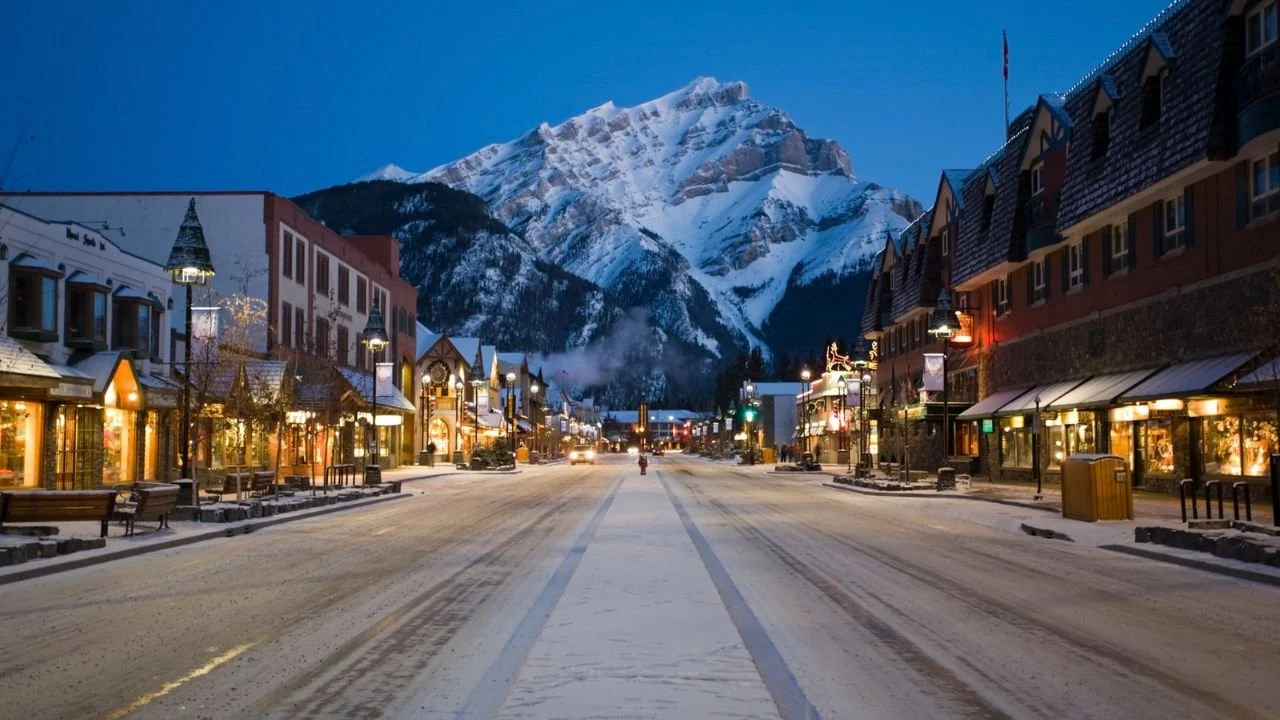
The best way to experience Banff hiking trails in winter is to choose a safe route and wear proper traction gear. Explore with a local guide who can adapt the day to the snow and weather.
Banff National Park has world-class hikes for all skill levels. You can take a calm stroll through snowy woods or tackle a firm climb with wide mountain views. Yet winter changes the rules. A path that feels simple in July may be slick, cold, and hard to follow in January.
This is why a private guided tour makes sense for many visitors. It cuts the stress of route choice, winter driving, parking, and gear. It also lets guests enjoy the view instead of checking a phone every few steps. Canadian Rockies Experience offers private winter trips with local guides and travel in luxury vehicles.
Why Banff Hiking Trails Need More Care in Winter
Snow makes Banff look soft and still. But the cold has sharp teeth. Packed snow can turn to ice, fresh snow can hide the path, and daylight fades fast.
Parks Canada warns that winter risks include frostbite, thin ice, poor sight, and avalanches. Avalanche season in the mountains can last from November to June. It also notes that not every summer route is safe for winter use. That is a key fact for guests who find a trail online and assume it will be available year-round.
Winter conditions may change during one short outing. A clear sky at breakfast does not promise a mild afternoon. Local guides monitor the weather, snow, and the group's pace as the day unfolds.
Before stepping onto a trail, check:
The latest trail report and closures
The weather and wind chill
The hours of daylight
The route’s winter risk
Road and parking conditions
The fitness of the least active guest
That last point matters. A group should pick a walk that suits everyone, not just the person with the best boots.
Do You Really Need a Guide?
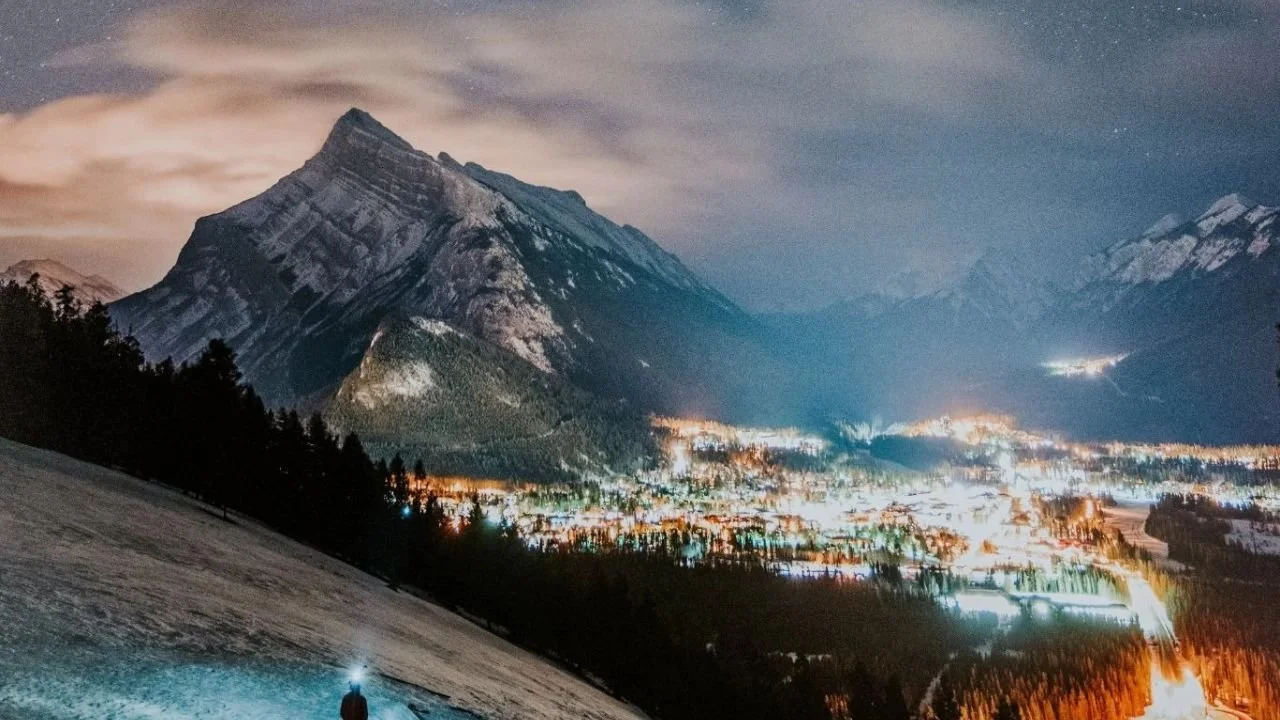
A guide is not required for every winter path. Some short routes near Banff town are clear and well used. Guests with sound winter skills may enjoy them on their own.
But skill is not the only issue. Many people visit Banff for a few days and do not want to buy ice cleats, poles, and extra gear. They may also feel unsure about winter roads or which route will suit their children or parents.
A private guide solves those small problems before they grow. The route can change if the wind picks up. The pace can slow if one guest feels tired, and no one has to act brave just to keep up.
Is it worth the money? It often is when time is short. Missing half a day due to poor planning can cost more than a smooth trip that works from the start.
Choose a Winter Trail That Fits Your Group
The best winter walk is not always the most famous one. It is the route that matches the group’s skill, mood, and time. Some guests want frozen falls and bold rock walls. Others want a soft forest path with warm drinks at the end.
When choosing among Banff hiking trails, winter visitors should think about the full outing, not just distance. Five kilometres on ice can feel far longer than five kilometres on dry ground. Cold air can also make a mild climb feel harder.
See Frozen Falls at Johnston Canyon
Johnston Canyon is one of the best-known winter walks in Banff. The path passes through a deep canyon, with rock walls, snow, and frozen falls along the way. Parts of the route use fixed walkways above the creek.
The scene is grand, but the ground may be slick. Parks Canada recommends ice cleats for winter walking when paths are packed or icy. Visitors must also stay on the official Johnston Canyon trail rather than taking off-trail shortcuts.
The privateJohnston Canyon Ice Experience through Canadian Rockies Experience removes much of the fuss. We also offer private transport from Banff or Canmore, a local guide, traction aids, hiking poles, hot drinks, and baked treats as part of the experience.
An early trip can also help guests enjoy a calmer trail. Johnston Canyon is popular for good reason. Once the day gets busy, its narrow paths can feel less peaceful.
Try a Winter Night Hike Near Banff
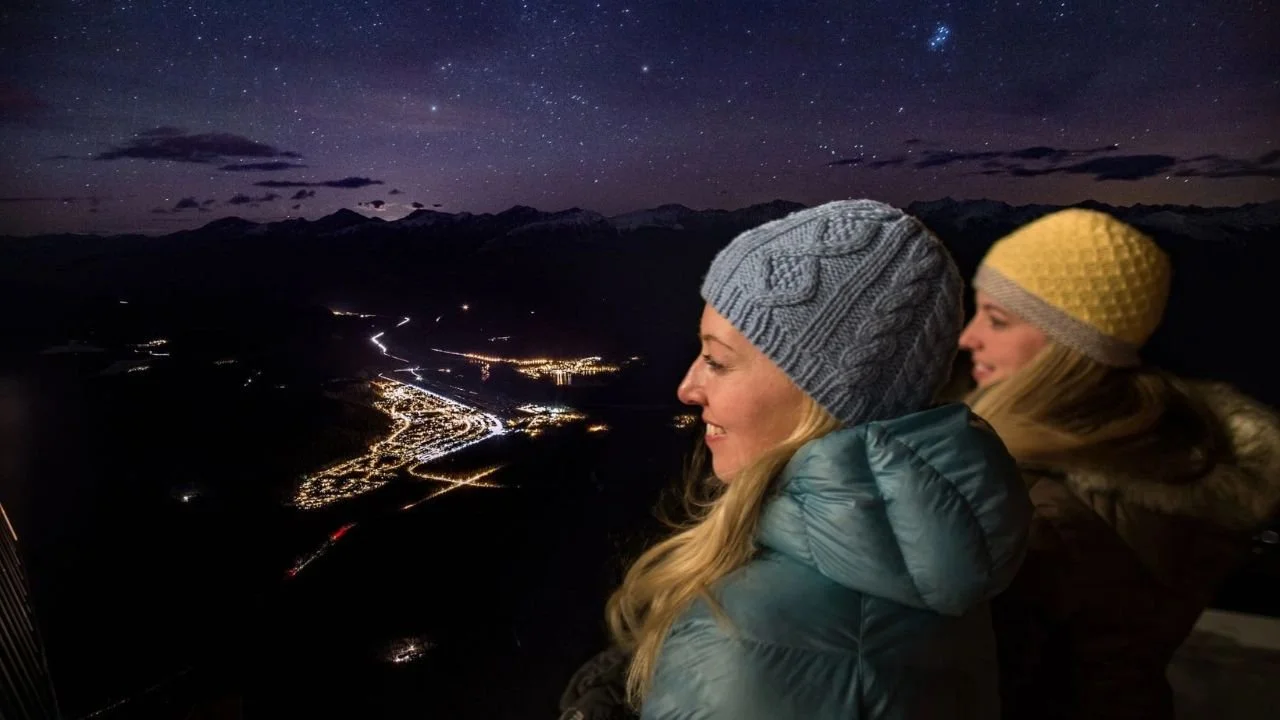
A night walk in the Rockies feels quite unlike a day hike. The snow gives off a pale glow, the trees seem taller, and each footstep sounds crisp in the cold. Away from town lights, the sky may feel vast.
But should a new visitor walk in the dark alone? A short path can become hard to read at night. Cold also feels stronger when the group stops moving.
The privatewinter night hiking tours in Banff and Canmore pair the walk with a local guide, winter equipment, hot drinks, and snacks. Accommodation pick-up in a luxury SUV also means no guest has to face an icy drive after dark.
Night hiking suits guests who want something more personal than a busy daytime stop. It can work well for couples, small families, and friends who want a tale to tell over breakfast the next day.
What Should You Wear?
Good winter clothing does not need to look like gear for the North Pole. It does need to keep skin dry and warm. Several light layers tend to work better than one thick coat.
Start with a layer that moves sweat away from the skin. Add a warm middle layer, then wear a coat that blocks wind and snow. Avoid cotton next to the skin since it stays damp.
Pack or wear:
Warm, waterproof boots
Wool or warm blend socks
Ice cleats or other trail traction
Gloves and a spare pair
A warm hat
A neck warmer
A small pack with water
Sunglasses and sun cream
A headlamp, even for a day walk
An extra warm layer
A guide may supply some trail gear, but guests should confirm what is included before the tour. Warm personal clothing will still be needed.
How Does a Luxury Guided Tour Make the Day Easier?
Luxury in the Rockies is not about turning the wild into a hotel lobby. It is about making the hard parts simple. You are picked up directly from your stay, get to ride in comfort, and start the walk with the right gear.
A private tour also gives the group room to be honest. One guest may want more photo stops. Another may need a slower pace. A child may decide that the frozen creek is far more fun than reaching a set point on the map.
We at Canadian Rockies Experience build private trips around the guests rather than a large fixed group. That can mean less waiting, more care, and a route that feels right on the day. The guide can also share local tales and point out signs in the snow that most guests would walk past.
Make the Safest Choice Before You Set Out
The main steps are simple.
Pick a designated winter route.
Check the latest conditions.
Dress for the cold, and carry traction.
Banff hiking trails can suit new walkers, active families, couples, and keen hikers. Yet no route stays the same all winter. Fresh snow, hard ice, wind, and warm spells can change it from one day to the next.
For visitors who want less doubt, a private guided trip offers a calm way to explore. It brings together local skill, winter gear, custom pacing, and comfortable travel. More than that, it lets the group look up at the peaks instead of down at a map.
The mountains do not care how full the travel plan is. So why not choose the winter day that leaves space for awe, warm drinks, and one more look at the frozen falls?
