
Banff in December: 8 Winter Travel Tips for a Magical Christmas Trip
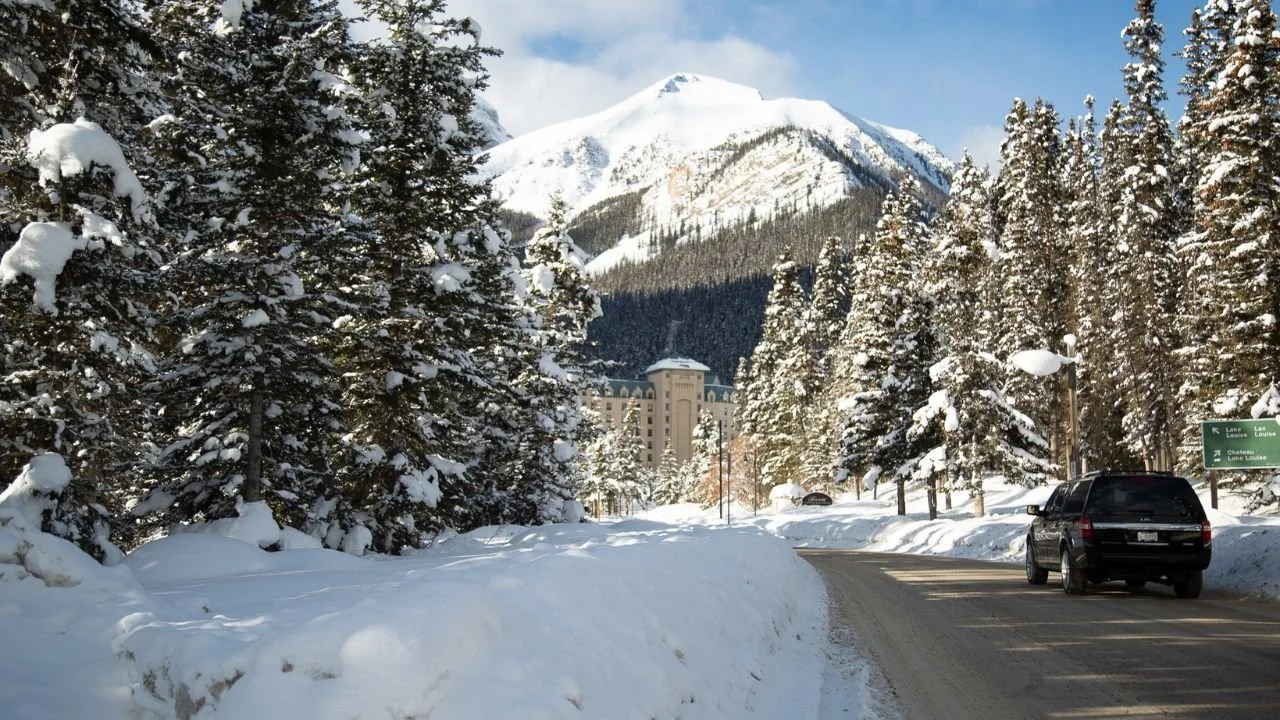
Banff in December hits differently than most winter destinations. It is not just snow and scenery. It feels like a small mountain town quietly adjusting to deep winter, where Christmas lights glow a bit softer and even simple walks feel slower than usual.
Most travelers planning a Christmas trip here usually ask the same thing first: Is it actually manageable in the cold, or does it turn into a struggle?
The honest answer is simple. Banff in December is absolutely worth it, but only when you stop expecting it to behave like a normal holiday destination. It is winter first, travel destination second.
What does Banff in December feel like in Real Winter Conditions?
Banff in December is fully in winter conditions. Snow stays on the ground throughout the month. Streets remain covered, trees stay frosted, and mornings often begin with low light and reduced visibility due to cloud cover or fresh snowfall.
Talking about Banff in December weather, temperatures stay below freezing for most of the month. Daytime conditions are cold, and nights become much colder, especially when skies are clear. The air is dry, which changes how the cold feels compared to humid winter cities. It feels sharper on exposed skin, but it does not feel heavy or damp.
The first few minutes outside usually feel the coldest. Most visitors notice it most on the face and hands, especially right after stepping out. Once you start walking and stay properly dressed, the body adjusts faster than expected.
After that adjustment, the experience becomes easier to manage. People continue exploring comfortably in shorter outdoor sessions, with regular warm breaks in between, which is usually how winter travel in Banff naturally works.
8 Essential Banff in December Travel Tips for a Smooth Winter Trip
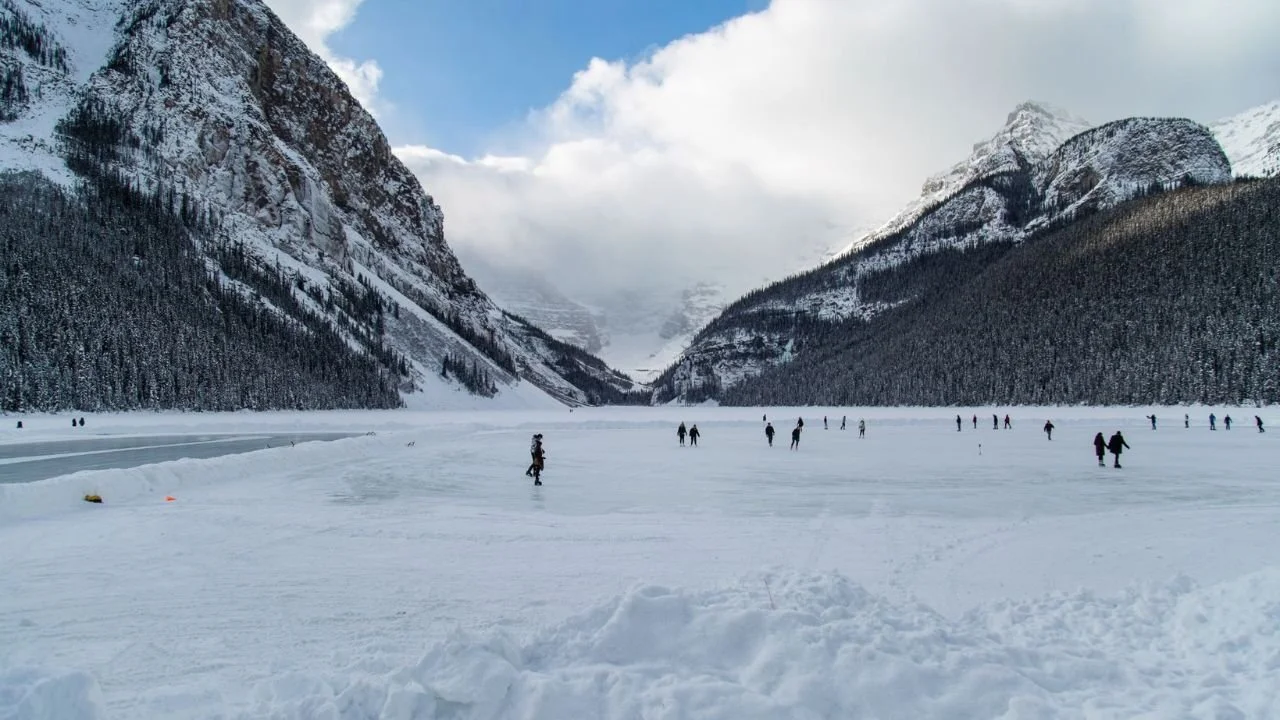
These are not “Pinterest travel tips.” These are the things that quietly decide whether your trip feels smooth or slightly exhausting.
1. Dress Like the Weather Changes Its Mind
Layering works better than relying on a single heavy jacket. Morning and afternoon temperatures in December can feel different, so clothing needs to adjust with those shifts. Most experienced travelers use a simple setup: a thermal base layer, a warm mid-layer, and a waterproof outer layer. It stays practical and easy to manage during the day.
Footwear is more important than appearance. Streets and walkways can be icy, so proper winter boots with grip are necessary for safe walking.
2. Plan Your Day Around Light, Not Time
Days feel shorter than expected. By mid-afternoon, the light starts fading. So outdoor plans naturally move earlier in the day. That shift alone makes the trip feel more relaxed instead of rushed.
Evenings are better kept open. That is when Banff feels most peaceful anyway.
3. Book Christmas Experiences Early
This is one of those details people regret ignoring. Sleigh rides, winter walks, guided snow routes, even simple scenic tours fill up fast in December. Last-minute planning usually means compromise or long waiting lists.
4. Driving is Where Most Stress Begins
This is the part many travelers underestimate. Snow can look light and harmless and still affect roads quickly. Ice does not always announce itself. That is why a lot of visitors eventually realize they enjoy the trip more when someone else handles winter driving.
5. Keep Your Itinerary Flexible on Purpose
Winter in the mountains does not always respect plans. A clear morning can turn into snowfall later. Or the reverse. So instead of packing days too tightly, leave gaps. Those gaps usually become the best parts of the trip.
6. Stay Close to Town If It Is Your First Visit
Central Banff is where everything stays manageable in winter. Walking becomes easier, food is closer, and you do not feel stuck if the weather shifts. It is a small choice that reduces a lot of friction.
7. Do Not Skip Winter Activities Just Because They Look Intense
Ice walks, frozen waterfalls, snowshoe trails. They sound tougher than they feel. Most first-timers are surprised at how structured and safe these experiences actually are.
A common doubt shows up here:
“Is this too much for someone who has never done winter hiking?”
In most cases, no. Especially when guided properly.
8. Guided Winter Travel Changes Everything
This is where Banff in December becomes less about managing logistics and more about actually experiencing it.
Winter here is not complicated, but it is detail-sensitive. Timing, route choices, and weather windows matter more than people expect. That is where structured travel support helps.
We at Canadian Rockies Experience design winter travel around those small details that most visitors miss. Check out our guided winter experiences for more details. It is not about adding luxury for show. It is more about removing uncertainty so the day feels smoother from start to finish.
Why December Increases the Value of Guided Tours in Banff
Summer in Banff allows flexibility. Winter does not.
In December, the same route can feel completely different depending on snow, timing, or visibility. That is where guided travel starts to matter more than expected. Instead of figuring out where to go, you are simply taken to places when conditions are actually good.
A lot of travelers only realize this after their first winter day outside. The difference is not the destination. It is the timing.
What a Christmas Trip in Banff Does to Your Pace
Banff in December doesn’t really let you rush through the day. The cold and the early sunsets naturally slow everything down.
Most people fall into a different rhythm without trying. You step outside for a short time, come back in to warm up, then head out again when you’re ready. Even simple things like walking around town or moving between activities take more planning because of the weather.
What usually stays with people is not just the places they saw, but how different the whole day felt. You can’t really push through the same way you might on a normal holiday. Everything moves a bit more carefully, and you end up paying more attention to small moments.
After the trip, that slower pace is often what people remember most clearly.
