
Banff in November: 7 Unexpected Reasons It’s Perfect for Non-Skiers
Banff in November is quieter, colder, and far more rewarding for non-skiers than most people expect. There is early snow fall, fewer crowds, and a calm shoulder-season rhythm that makes the Rockies feel personal again.
This is usually the month people hesitate about. The ski season is just starting, the weather is shifting fast, and many assume there is “nothing to do” unless skiing is the main plan. That assumption is where most visitors miss the real experience.
November in Banff is a transitional window. Fall is gone, winter is not fully locked in, and the landscape changes almost daily. Expect daytime temperatures around 1°C and nighttime drops near -8°C. Ski resorts begin opening gradually, but the rest of the region feels slow, quiet, and open in a very different way. Low hotel rates, lighter traffic, and early snowfall across the Canadian Rockies create a travel window that rewards patience more than planning pressure.
For non-skiers, this is actually one of the most balanced times to visit Banff National Park in Alberta.
Is Banff in November Worth Visiting for Non-Skiers?
Yes, and the reason is simple. November removes the two biggest stress points of Banff travel: crowds and high prices.
Instead of racing for parking at Lake Louise or waiting in long summer queues, the experience becomes slower and more flexible. You are not competing for viewpoints or rushing between stops. The mountains feel closer because everything around them is quieter.
It is also a month where guided travel becomes more valuable. Roads can shift between dry, icy, and snowy within hours. Daylight is shorter, and conditions change quickly. This is where luxury private tours from Canadian Rockies Experience help. We make the experience smoother, especially for visitors who want comfort without worrying about winter driving or route planning.
Why Does Banff in November Feel Completely Different for Non-Skiers?
1. Banff in November Without Peak-Season Crowds
One of the first things visitors notice in November is how empty familiar places suddenly feel. Popular viewpoints that were packed in summer now feel still. Even Banff town has a slower rhythm.
This does not mean it feels dull. It feels open. The same landscapes become easier to absorb without distraction.
Simple moments start standing out more:
Standing at Bow Falls without noise behind you
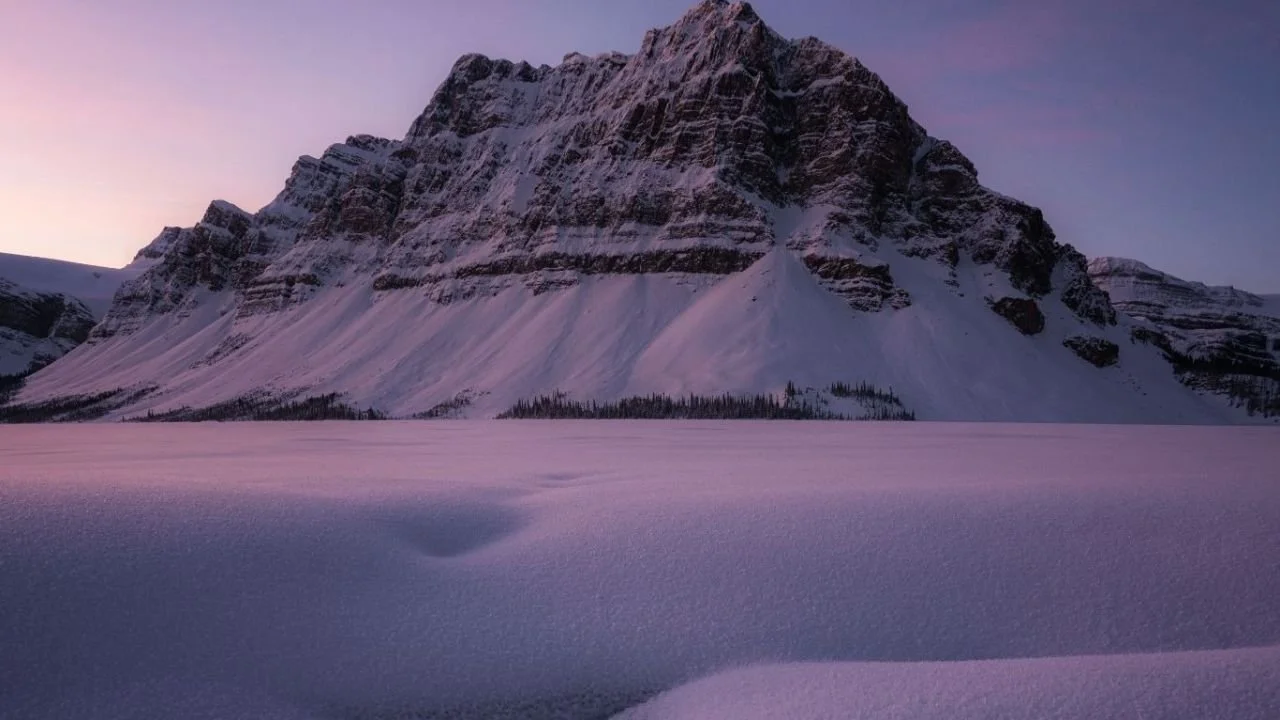
Watching light shift across Mount Rundle
Walking Banff Avenue without constant foot traffic
There is a quiet confidence in the landscape this time of year.
2. Lake Louise in November Feels Raw, Frozen, and Breathtaking
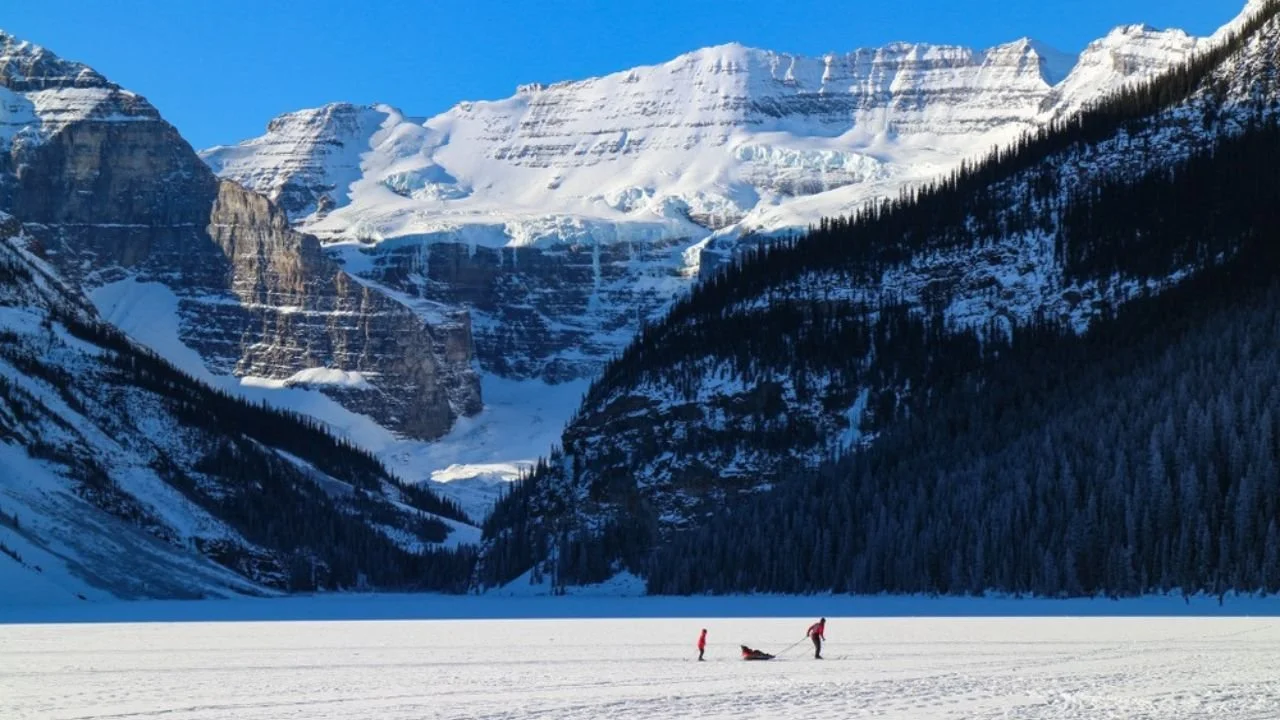
Alt Text: Lake Louise in November with snow-covered peaks and icy shoreline.
Lake Louise in November is not the polished turquoise postcard people expect. It is colder, less vibrant, and often partially frozen around the edges. Snow begins to settle on the surrounding peaks, and the lake reflects a softer, less saturated version of the mountains.
This is where many travelers pause and ask a simple question:“Is this still worth seeing without summer colors?”
Yes, because the beauty changes form instead of disappearing.
Key conditions to expect:
Early snow on trails and viewpoints
Partial freezing depending on temperature swings
Fewer crowds compared to October
Dramatic mountain contrast with snow and rock
This is also where guided winter travel matters. Local drivers understand timing, safe stops, and weather shifts around Lake Louise access roads. It reduces uncertainty and helps visitors experience the area without second-guessing conditions.
3. Banff in November Offers Affordable Luxury Travel
Pricing shifts significantly in November. Hotels, lodges, and premium stays often drop rates compared to peak summer and holiday season. This opens a different kind of travel experience where comfort becomes more accessible.
But the real value is not just cost. It is how time feels in this season. Instead of rushing through a packed itinerary, visitors can slow down:
Longer breakfasts with mountain views
Flexible midday breaks when weather changes
Unhurried scenic stops without crowds
Again, this is also why private guided tours fit naturally into November travel. Instead of managing logistics, travelers focus on the experience itself while weather, timing, and routing are handled locally.
4. Ski Season Starts, but Banff Stays for Everyone
Yes, ski resorts begin opening in November, but Banff does not turn into a ski-only destination. The town splits into two experiences:One group heads toward early ski runs. Another explores quiet winter landscapes, frozen lakes, and scenic drives.
For non-skiers, this is important. There is no sense of being “left out.”
Instead, the focus shifts to:
Scenic drives through Bow Valley Parkway
Short winter walks near frozen river edges
Wildlife viewing in lower valleys
Café stops in Banff town with warm indoor views
It becomes a different version of the Rockies, not a limited one.
5. Early Winter Light Creates Some of the Best Photography Conditions
November light in Banff is softer and lower. Snow reflects it naturally, and the mountains appear more layered throughout the day. Even simple stops feel visually strong without effort.
What changes in November light:
Longer golden tones during short daylight hours
Softer shadows across valleys
Strong contrast between snow and rock surfaces
This is also why non-photographers often end up taking more photos than expected. The scenery does not require timing or planning. It just happens in front of you.
6. Wildlife Becomes Easier to Spot in Quieter Conditions
As temperatures drop, wildlife movement shifts. Elk, deer, and other species become more noticeable in lower elevation areas. While sightings are never guaranteed, November improves visibility in certain regions because of reduced human activity.
Guides often know:
Early morning movement patterns
Safer observation distances
Areas where animals naturally cross valley routes
This is another reason guided experiences add value in November. It is not about chasing wildlife. It is about knowing where to pause long enough for nature to appear.
7. Luxury Private Tours Make November Travel Smoother and More Flexible
November is not difficult, but it is unpredictable. Weather changes quickly, daylight is limited, and road conditions can shift from clear to snowy in a short span. This is where structured travel support like Canadian Rockies Experience becomes practical rather than optional.
Luxury private tours in Banff help with:
Flexible routing based on weather conditions
Safe navigation on early winter roads
Optimized timing for Lake Louise and surrounding viewpoints
Reduced stress around planning and driving
Instead of worrying about what is next, the day flows based on real conditions, not fixed schedules.
What Banff in November Really Feels Like
Banff in November is quiet and steady. Snow arrives gradually. Roads become less busy. Lakes begin to freeze around the edges. The mountains feel more prominent because there are fewer distractions in the surrounding areas.
It is not a month that depends on peak-season activity to feel complete.
Travelers who visit without skiing expectations often notice the difference in pace. The focus shifts from doing many activities to paying attention to the environment and conditions.
A simple drive feels more scenic. Short stops feel more meaningful. Even basic moments stand out more because of the cold air and reduced noise around popular areas.
In the Canadian Rockies, this slower environment changes how visitors experience and remember the landscape over time.
