
Banff in October: Why Larch Season and the First Snowfall Make It Magical
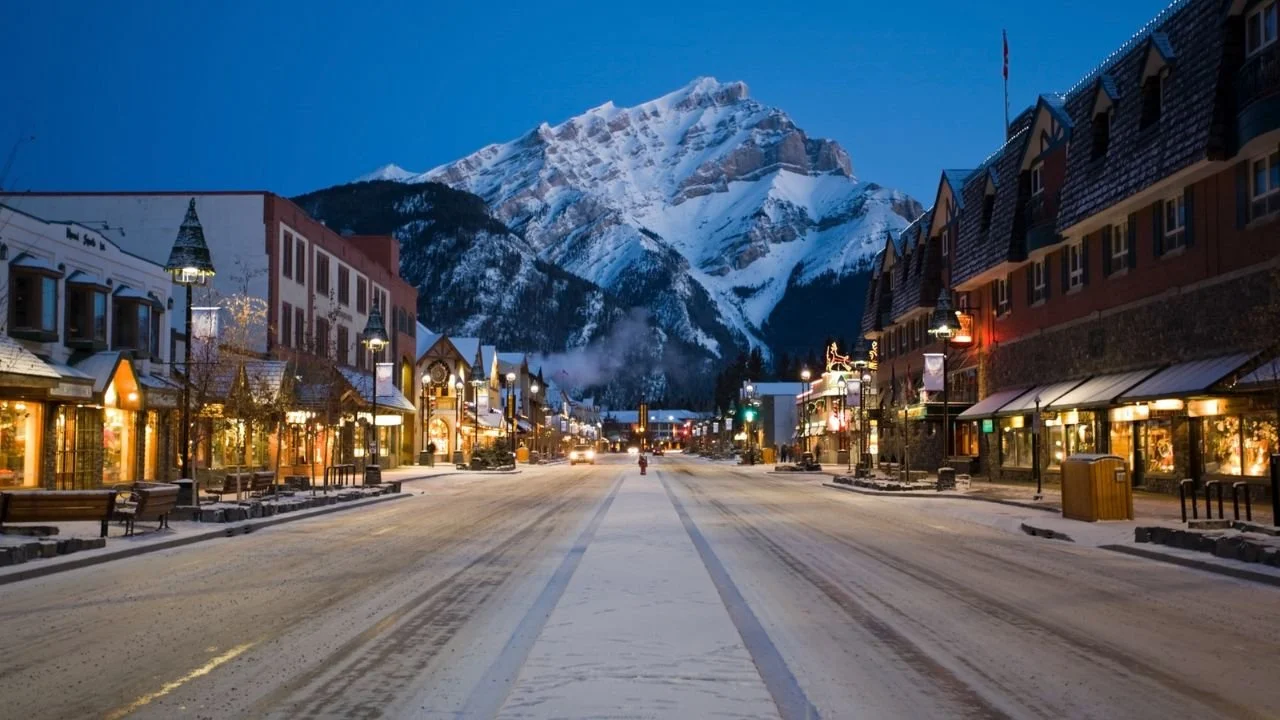
Banff in October sits in an in-between space. Not fully autumn anymore, not quite winter yet either. That shift is exactly what surprises most visitors when they arrive expecting something predictable.
Early October still carries warm-ish afternoons and golden larch forests that glow when the sun hits right. By the last week, the air turns sharper, mornings freeze over, and the first real snow starts brushing the higher peaks. Same place, same month, but it feels like two different seasons trying to share the same space.
That’s the real story of Banff in October. It doesn’t stay still long enough to be planned in a perfect way.
What Does Banff in October Weather Feel Like on the Ground?
Banff in October weather is less about numbers and more about how quickly things change when the sun moves.
Mornings often start cold enough that breath is visible, especially near lakes or shaded trails. There’s usually a quiet stillness early on, the kind that makes even busy viewpoints feel empty for a while.
By midday, things soften. Sunlight can still feel warm if you’re standing still out of the wind. You’ll see people peeling off jackets on trails, only to put them back on again an hour later when the breeze picks up.
Late afternoon is where the shift becomes obvious. Temperatures drop fast once the light starts fading behind the peaks. That’s when you start noticing frost forming in places that looked dry just a few hours earlier.
The month really splits itself like this:
Early October: Comfortable hiking weather, strong fall colors
Mid October: Mixed conditions, frost in mornings, cooler hikes
Late October: Snow starts showing up in the mountains, some trails feel icy
It doesn’t follow a clean schedule. That’s what catches people off guard.
Larch Season in Banff: Why It Feels So Short
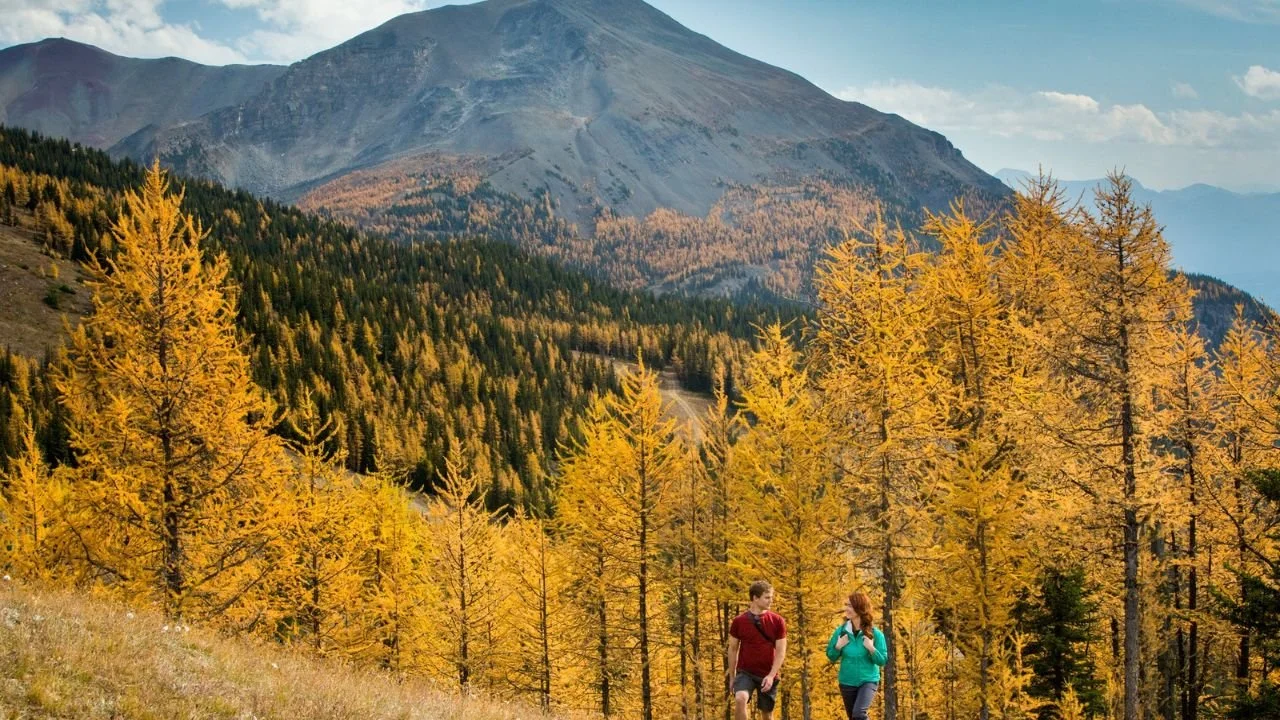
Larch season is the reason most people end up planning Banff in October in the first place. But it never lasts as long as people hope it will.
These trees don’t behave like typical fall foliage. They turn gold for a short window, then drop their needles quickly once temperatures swing. Some years it feels generous. Other years it feels like it disappears overnight.
Higher elevation spots like Larch Valley usually peak earlier than the valley floor. That alone changes everything. You can miss it by a few days without even realizing it. It’s one of those things where timing matters more than effort.
The places people usually aim for are:
Larch Valley near Moraine Lake
Sentinel Pass routes
High trails around Lake Louise
Sunshine Meadows (when access allows)
Here’s what most first-time visitors don’t expect. You don’t always find peak larch. Sometimes you just arrive slightly too early or slightly too late, and the forest is already halfway through its shift.
That’s why people who have been here before often treat it like a window, not a season.
The First Snowfall in Banff: When Everything Suddenly Changes
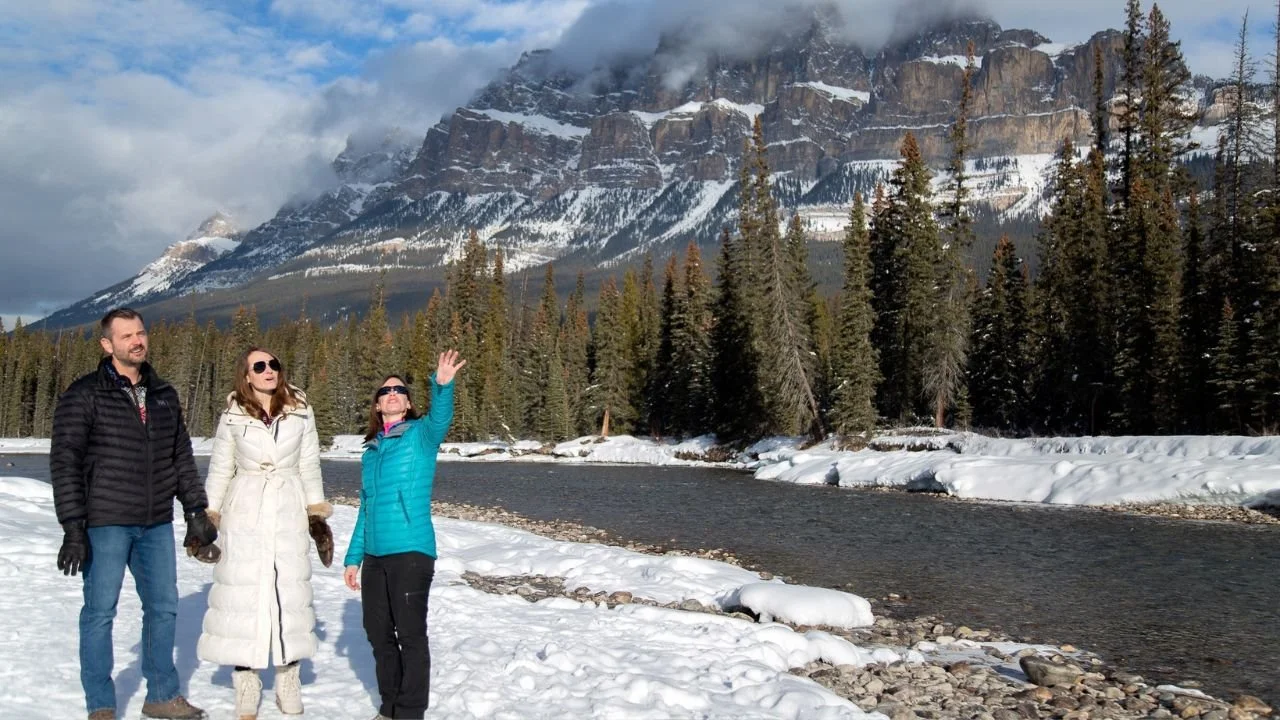
Late October is when things start to feel different in a very obvious way.
The first snowfall in Banff shows up quietly in the higher elevations first. A thin white layer on ridge lines. A soft dusting on shaded rocks. Sometimes just enough to change how light reflects across the mountains.
It doesn’t fully settle everywhere yet, especially in town. But up high, the landscape starts looking like it’s moving into winter whether the calendar agrees or not.
What stands out is not the amount of snow, but the contrast. One day the peaks are bare stone and fading gold. A day later, they look outlined in white, almost like someone traced them overnight.
That’s usually when visitors start adjusting their expectations on the spot. Because now the question shifts from “where are the larches” to “which trails are still safe today.” That shift is the real nature of Banff in October.
Is Banff in October actually a good time to visit?
This is where most people hesitate, and it’s a fair question.
Banff in October is not designed for consistency. It’s designed for change. That means no two days really feel the same, and that’s either the best part or the most frustrating part depending on what someone expects.
A few real decision moments usually come up:
Missed larch season worry: Even after peak, the forests don’t go dull. The gold tones soften, especially in colder light, and the trails feel quieter rather than empty.
Weather concerns: Early October is manageable with light layering. The real trick is flexibility. Mornings can feel cold, afternoons mild, evenings drop fast.
Hiking conditions: Early to mid-October is still good for most trails. Late October brings icy patches in shaded and higher areas, so pace and caution matter more.
Do you need a guide? Not mandatory, but helpful. October is less about long hikes and more about being in the right place at the right time, which is where local guidance can make a noticeable difference.
Why Guided Private Tours Make a Real Difference in October
Banff in October doesn’t reward fixed plans. It rewards flexible decisions made in real time. This is where guided experiences become more than convenience. They become a way to actually catch the conditions instead of guessing them.
With services like Canadian Rockies Experience, the focus is not on rushing through locations. It’s on adjusting the day based on what the mountains are doing at that moment.
If larch colors are stronger higher up, the route shifts. If snow starts affecting a trail, it changes. If crowds build up at a viewpoint, the timing adjusts.
When October starts leaning into early winter conditions, some experiences naturally blend into colder-season routes and winter-style itineraries. What matters most is not luxury in the traditional sense. It’s removing uncertainty in a season that doesn’t stay predictable for long.
What a Real October Day in Banff Feels Like?
Most people expect October to feel like one season. It doesn’t.
Mornings usually start cold and quiet. Sometimes frost sits on grass or windshields, especially near water. The air feels sharper than expected.
Midday is the most stable part of the day. This is when hiking feels easiest, and light opens up the valleys. You see most movement happening here.
Afternoons are where the views peak. That low sunlight hits larch forests in a way that makes them almost glow from within. It’s also when the temperature starts dropping again.
Evenings come quickly. Once the sun drops behind the mountains, everything cools fast. Higher areas often feel like winter before the valley does.
It plays out like this:
Morning: Cold start, still air, frost possible
Midday: Best hiking window, stable conditions
Evening: Fast cooling, snow becomes more likely up high
There’s a rhythm to it, but it never repeats the same way twice.
A Season That Doesn’t Stay Still
Banff in October never really settles into one version of itself long enough to be neatly defined. It keeps shifting, almost like the landscape is undecided about what it wants to be.
Some days still carry that soft autumn glow, with larch trees holding onto their last bit of gold. Other days feel like winter has already checked in quietly, dusting the peaks and cooling the air without much warning. Maybe that is exactly why it stays with people longer than the predictable seasons. It does not repeat itself. It changes while you are still looking at it.
For anyone planning to experience that mix of color, cold, and quiet mountain transitions without missing the best moments, it helps to have the right timing and local insight on your side.
Explore guided experiences and plan your Banff journey with Canadian Rockies Experience today!
FAQ: Banff in October
Is Banff worth visiting in October?Yes, if you’re comfortable with changing conditions. It’s more dynamic than predictable.
When is peak larch season?Usually late September to early October, depending on elevation and yearly temperature shifts.
Does it snow in October?Yes, especially in higher elevations. It can begin lightly even in mid-month.
Can you still hike in Banff in October?Yes, early to mid-October is generally good for hiking. Late October depends on weather and ice conditions.
Do you need special gear?Layered clothing is essential. Late October may require warmer insulation and traction for icy sections.
