
Banff in July: 7 Ways the Rockies Feel Completely Different in Peak Summer
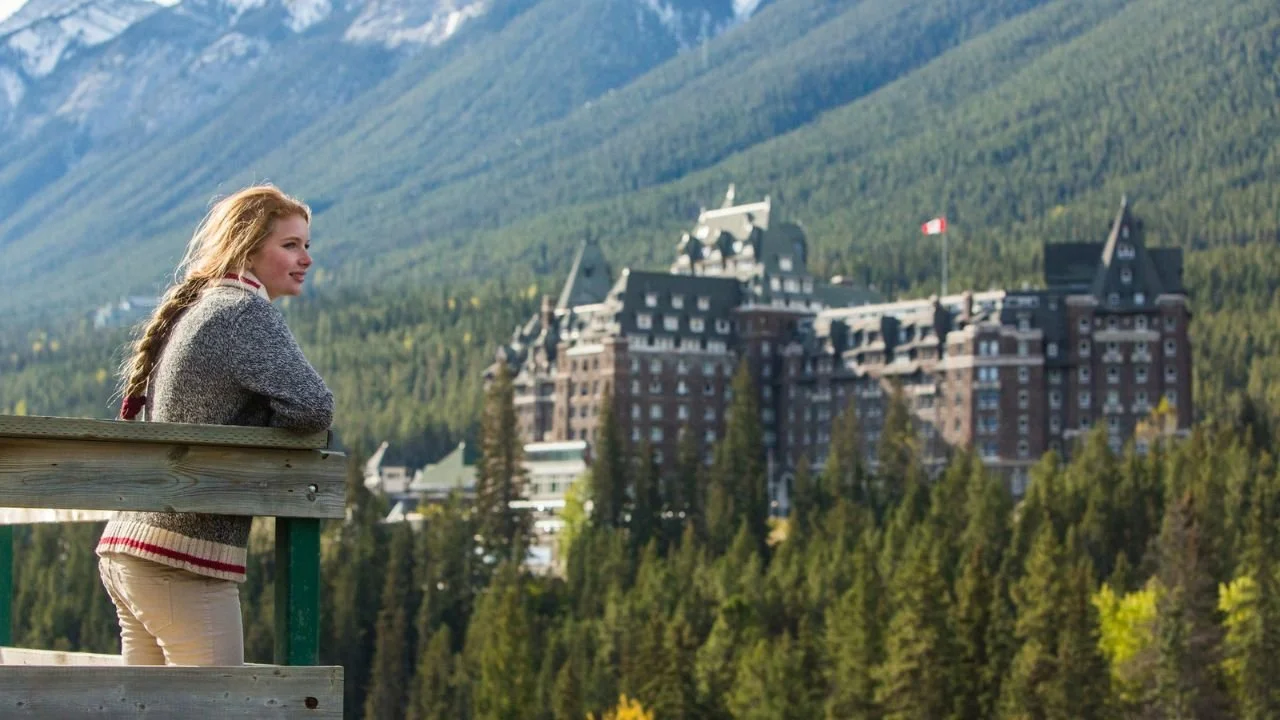
What Changes When the Rockies Hit Peak Summer?
Banff in July doesn’t feel like a normal travel season. It feels like the entire landscape shifts into a faster, fuller version of itself.
The mountains don’t change shape, but everything around them changes behavior. Light stretches deep into the evening. Lakes turn brighter and more reflective. Trails open completely. Even movement through the park feels less predictable.
Most travelers arrive thinking it’s a simple sightseeing trip. Lake Louise, Moraine Lake, Banff town, then move on.
But July doesn’t reward that kind of planning. It rewards timing, awareness, and flexibility.
That’s why many travelers eventually lean toward structured private travel experiences with operators like Canadian Rockies Experience and our guided summer tours, where the day is adjusted around conditions instead of fixed routes.
Because in Banff during July, the real question is not where to go. It is when to arrive.
Banff in July Weather: What Actually Shapes the Experience
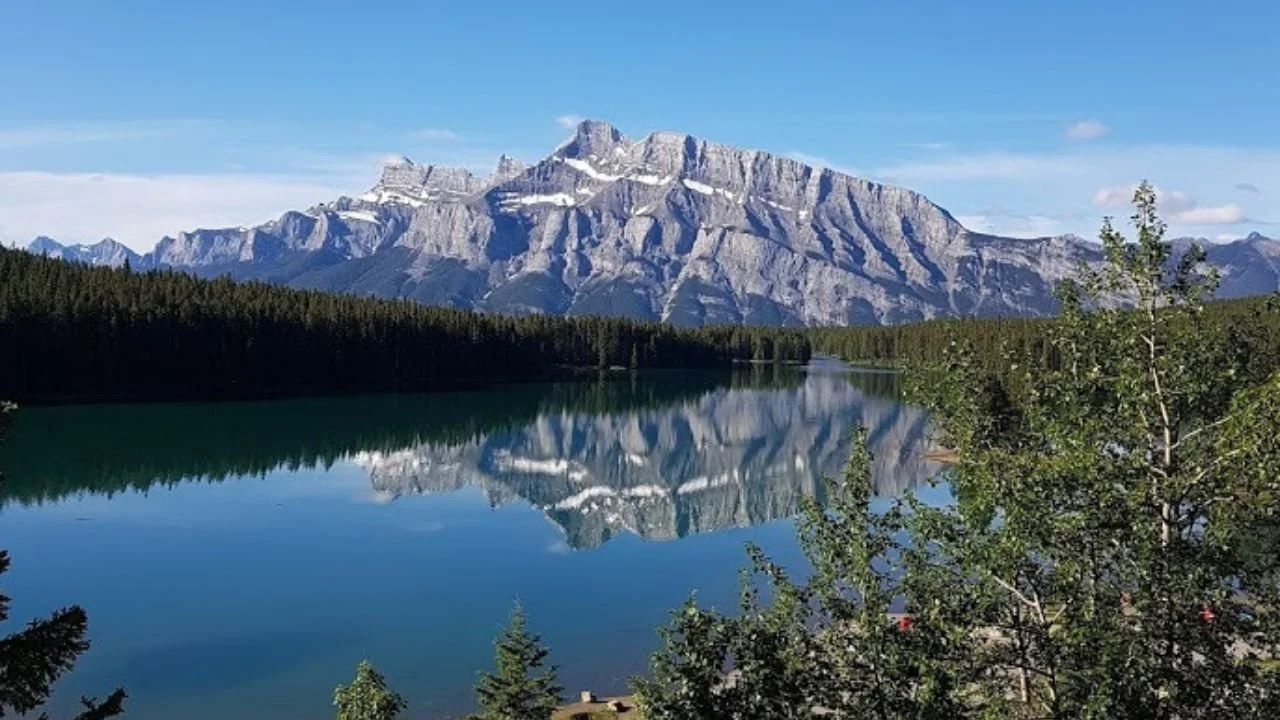
Banff in July weather is stable, but not passive. It creates conditions that constantly shift how the day feels.
Warm daytime temperatures that stay comfortable outdoors
Cool early mornings that feel quiet and still
Long daylight hours stretch travel flexibility
Strong UV exposure at higher elevations
Sudden temperature drops near lakes and shaded valleys
This combination sounds ideal, but it changes travel behavior more than most expect.
Midday feels different from early morning. Even short drives can feel like moving between two versions of the same place. This is where planning starts to matter.
The 7 Ways Banff in July Feels Completely Different
1. Light Stops Being Just Light and Starts Controlling Your Day
Light in July doesn’t behave in a fixed way. It quietly controls how the entire day unfolds.
Sunrise is early, soft, and calm
Midday becomes sharp and intense at higher altitudes
Evening stretches longer than expected
Golden hour lasts long enough to change travel plans
This matters more than most travelers realize.
People often plan activities based on distance, not light. That is where the first mistake happens. The best moments in Banff are not tied to locations, but to time windows.
Missing early or late light doesn’t just affect photos. It changes the entire feeling of the trip.
2. Lakes Change Enough That One Visit Is Not “One Experience”
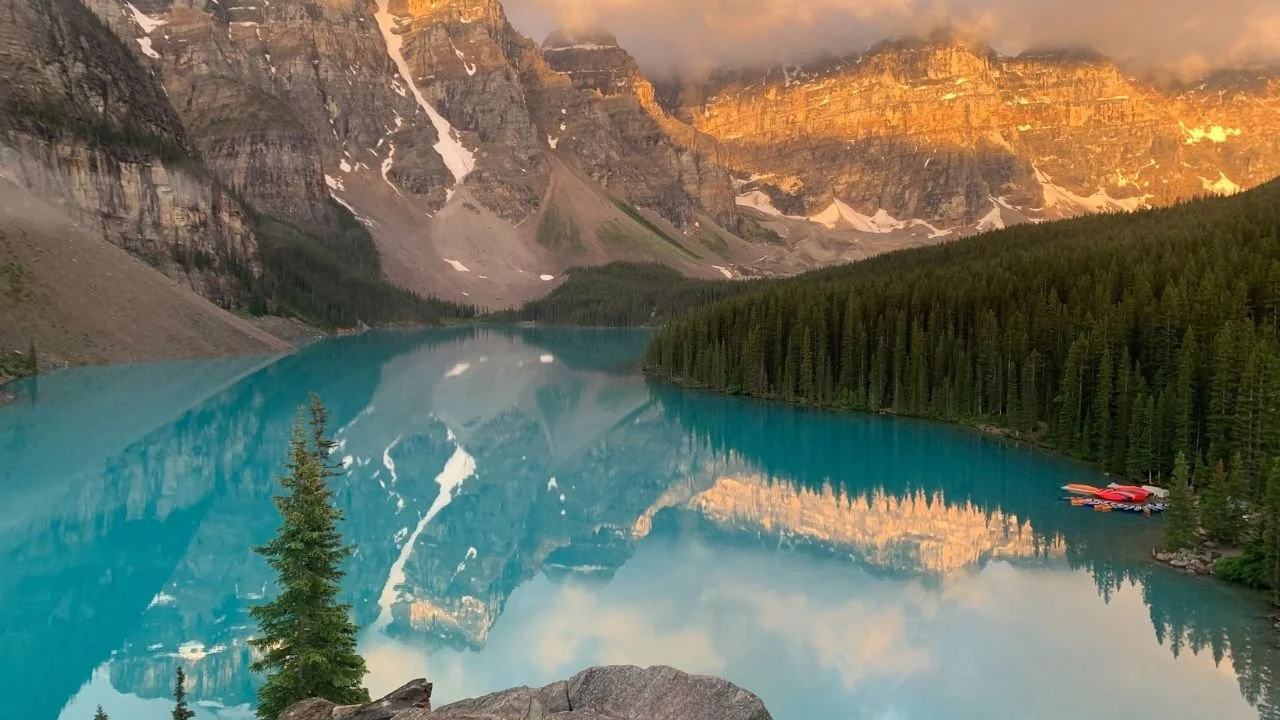
Banff lakes in July are not static views. They shift through the day.
Morning: Still, reflective, almost motionless
Midday: Brighter, more saturated tones
Afternoon: Wind adds movement to the surface
Late day: Softer color transitions appear
This is why Lake Louise and Moraine Lake feel different even if you visit twice in the same day.
Most travelers make the same mistake here. They arrive, take photos, and leave within minutes. But the real change happens after the first 10–15 minutes, when the water starts responding to light and wind patterns.
That part is usually missed.
3. Wildlife Feels Common, But Timing Still Controls What You See
Wildlife activity increases in July, but it is not random.
Elk often appear early in the morning or late in the evening
Mountain goats stay higher on exposed rock areas
Birds are active across forest zones throughout the day
Bears may appear in lower valleys at quieter hours
This leads to a common concern: Is Banff safe in peak wildlife season?
Yes, but safety is not passive. It depends on distance, timing, and behavior awareness.
This is where most independent travelers struggle. They don’t necessarily see less wildlife, they just move at the wrong time of day. Guided routes help because timing is structured around natural activity windows, not convenience stops.
4. Crowds Don’t Just Increase: They Reorder the Entire Day
July crowds are not evenly spread. They follow a very predictable rhythm.
6–9 AM: Quiet, open, best conditions
9 AM–2 PM: Peak congestion
2–6 PM: Movement slows, traffic builds
After 6 PM: Balance returns again
The key insight most travelers only realize mid-trip is this:
Banff is not “always crowded.” It is crowded at specific times. This changes how the entire itinerary should be built.
People who ignore timing often experience the same places at the worst possible window, then assume the destination is overcrowded all day.
5. Trails Become Fully Accessible, But Energy Management Becomes Critical
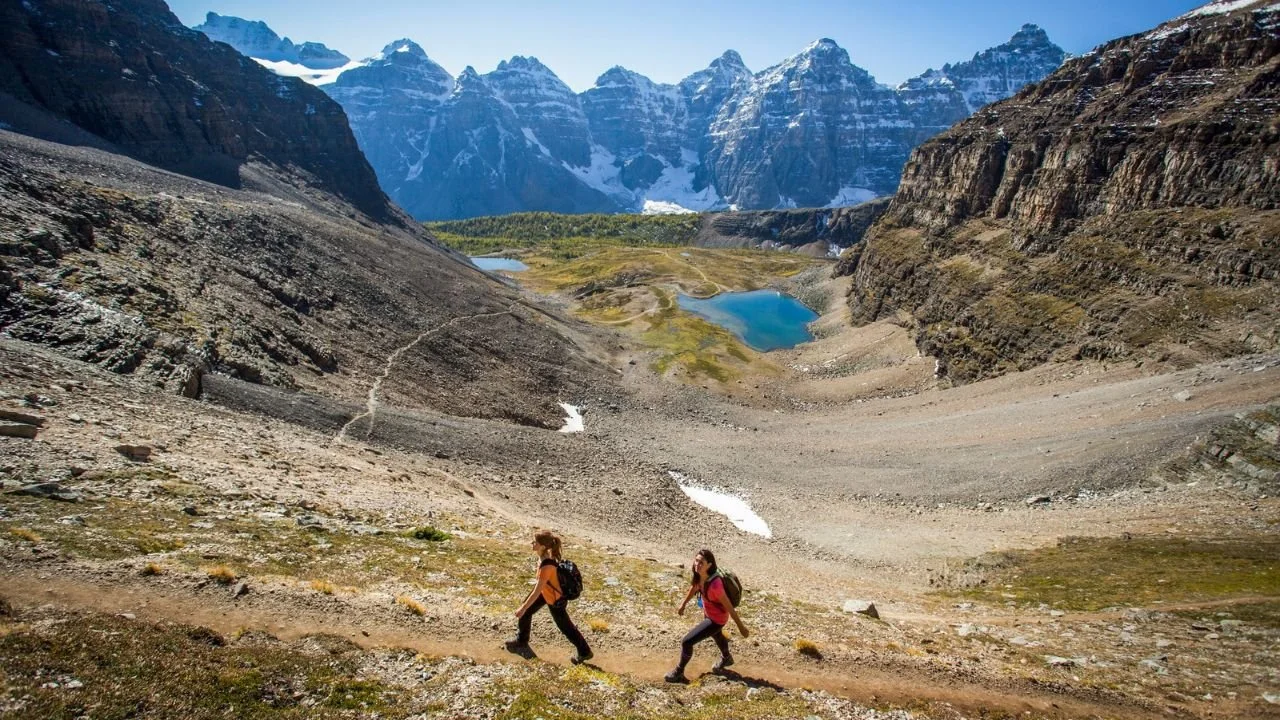
By July, snow is gone from most trails, and access opens fully.
Lower trails are clear and easy
Alpine routes are finally reachable
Visibility improves across elevation levels
But conditions also become more demanding in subtle ways.
Sun exposure builds fatigue faster
Shade is limited on open routes
Hydration needs increase earlier than expected
A common question appears here: Do you need to be fit for Banff in July? Not necessarily, but pacing is no longer optional.
The travelers who enjoy it most are not the fastest, they are the ones who adjust speed based on terrain and heat.
6. The Landscape Starts Showing Detail Instead of Just Scale
Something changes in July that is hard to explain until you experience it. The mountains stop feeling distant.
Glacier edges become clearly visible
Rock textures appear sharper
Valleys feel more layered and deep
Visibility expands across long distances
This changes travel behavior. Instead of rushing between stops, people naturally slow down because there is more to observe within each location.
The experience becomes less about reaching places and more about reading them.
7. Timing Becomes the Real Variable That Controls Everything
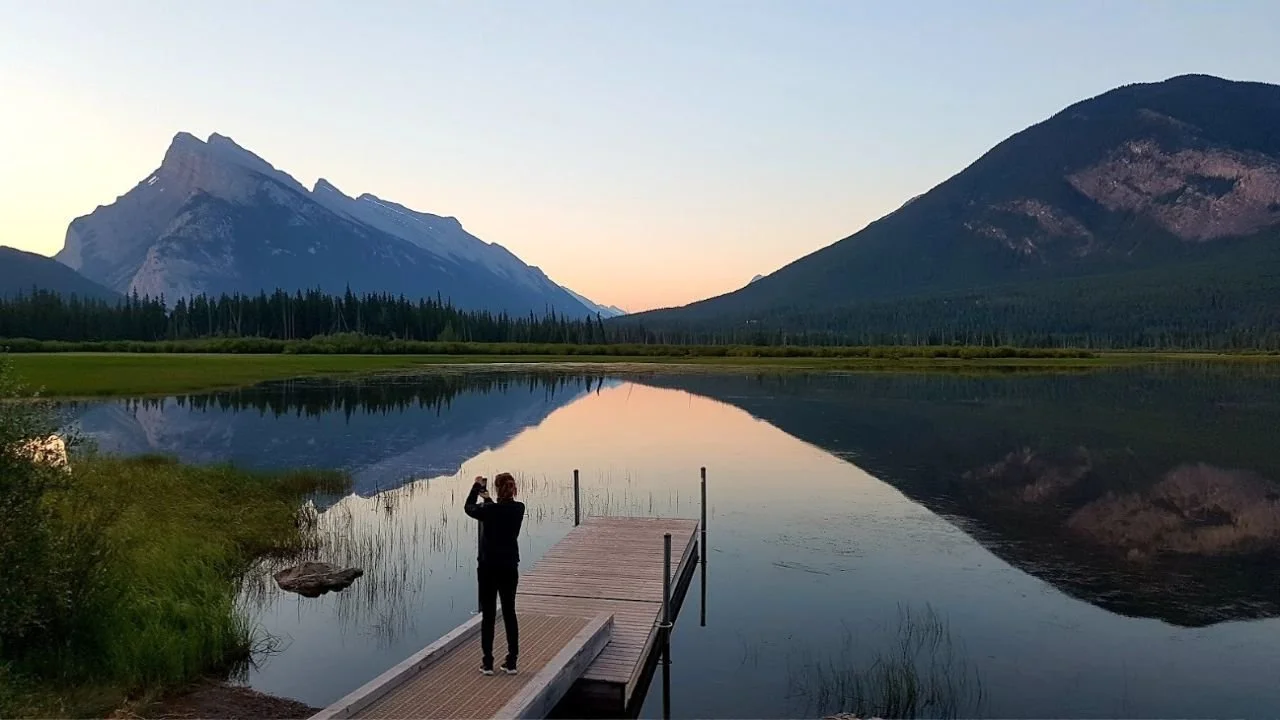
By the end of a July trip, most travelers understand one thing clearly. The experience is not defined by location. It is defined by timing.
The same lake changes across different hours
Crowds reshape perception more than scenery
Weather shifts affect mood within minutes
Delays can completely change the experience of a spot
This is where structured travel becomes valuable.
With Canadian Rockies Experience and our guided summer tours, timing is built into the route instead of left to chance. Light, movement, and crowd flow become part of the plan rather than external challenges.
That removes the biggest hidden issue of peak season travel: constant decision-making fatigue.
Why Private Luxury Tours Change the Entire Experience
Banff in July is not difficult to access. It is difficult to optimize. A private luxury tour changes how the day is structured.
No parking stress at high-traffic lakes
Better alignment with sunrise and sunset timing
Access to quieter viewpoints during peak hours
Flexible pacing based on weather and energy
Smooth travel between the Banff and Lake Louise regions
The real shift is not comfort. It reduces mental load.
Once decisions disappear, attention returns fully to the landscape instead of logistics. For many travelers, that alone changes how the Rockies are remembered.
Is Banff in July Worth It?
Banff in July is worth it, but it is not a passive travel experience.
Everything is open. Everything is accessible. Conditions are at their most complete version of the year.
But that same completeness creates pressure on timing and planning. Crowds peak. Parking fills early. Movement requires awareness.
Some travelers enjoy this intensity. Others find it harder without structure. The difference usually comes down to one factor: how the day is organized.
When timing aligns with conditions, Banff feels smooth, open, and memorable. When it doesn’t, even iconic locations feel rushed.
That is the part most visitors only understand once they are already there. Because in July, Banff doesn’t just show the Rockies. It responds to how you move through them.
