
Banff in March: 5 Unforgettable Adventures to Maximize Your Rockies Experience
Banff in March is one of the best times to enjoy winter adventures without peak crowds. Instead, you get to witness stable snow, longer daylight, and a calm mountain mood that suits guided exploration and authentic outdoor experiences.
March sits in a quiet, sweet spot. Winter still rules the peaks, but the days are longer. Trails stay snowy, lakes remain frozen blue, and ski lifts spin. And the town feels relaxed, not rushed. For travelers who want real mountain time instead of busy sidewalks, this month delivers everything.
This guide walks through what March truly feels like in Banff, what adventures make sense, how the weather behaves, and how guided tours make life easier.
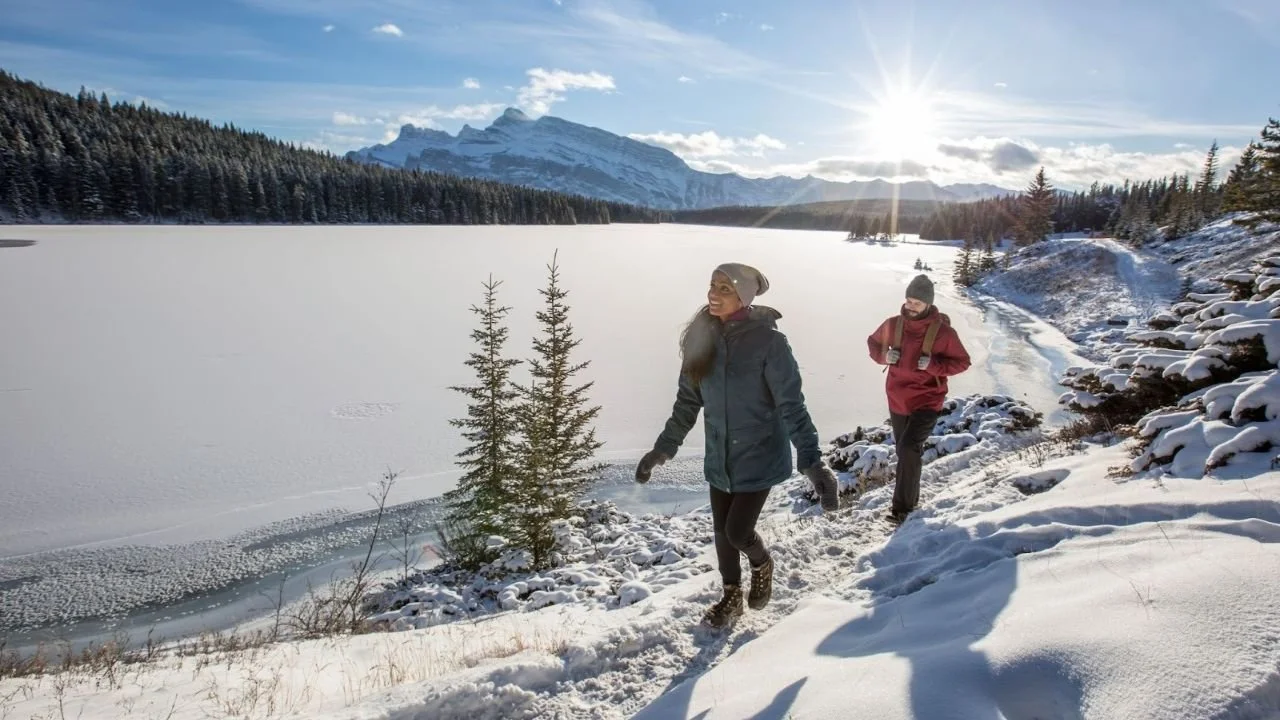
What Banff in March Really Feels Like
March does not act like deep winter. It feels like winter with breathing room.
Mornings often start crisp. By midday, the sun softens the chill. Locals shed heavy layers near coffee shops. Snow still covers forests and lakes, but sidewalks clear fast. You hear boots crunch instead of slush squelch.
The town stays lively but calm. Skiers line up early. By afternoon, patios open on sunny corners of Banff Avenue. Steam drifts from hot springs while elk wander near quiet roads.
It is winter without the stress.
And that balance matters when planning outdoor trips.
Banff in March Weather: What to Expect
Weather shapes every plan here in Banff.
March temperatures often range from -10°C to +5°C. Some days dip colder. Some feel almost spring-like in the sun. Snowfall remains common, but gentle storms replace heavy dumps. Wind stays low inside valleys, and higher passes feel colder. Sunshine shows up more often than in January or February.
Banff in March weather conditions:
Cold mornings and mild afternoons
Dry snow that grips boots and skis well
Clear skies after short snow showers
Frozen lakes safe for walking with guidance
Quick weather shifts in the mountains
This mix creates excellent conditions for snowshoeing, ice walking, winter hiking, skiing, and frozen-lake visits.
It also explains why layered clothing beats thick single jackets.
Why Guided Adventures Matter More in March
March looks friendly, but holds risks.
Avalanche zones stay active. Lake ice varies by location. The weather can turn in an hour. Many trails cross frozen creeks or snow bridges that locals know, but visitors do not. This is where guided services quietly change the experience.
A trained guide does three important things:
Chooses safe routes based on snowpack and weather
Handles timing so groups avoid harsh winds or poor light
Shares stories, wildlife signs, and local habits along the way
That last part matters more than most expect.
Seeing Lake Louise frozen is stunning. Hearing how early traders crossed it in winter makes it real.
Several travelers choose curated winter trips through us at Canadian Rockies Experience, which focuses on small groups and real backcountry access instead of bus-stop tourism. Our tours solve safety, transport, timing, and route planning while leaving space for personal moments in the snow.
Check out one of our Private Banff Highlights & Lake Louise Tour!
5 Best Adventures to Try in Banff in March
March favors experiences that use snow, not fight it.
Here are the activities that shine.
1. Frozen Lake Walks - we don’t have permits to hike on frozen lakes - please remove.
Lake Louise and Moraine Lake is closed in winter. turn into silent white fields. Ice cracks echo underfoot. Peaks reflect in glassy patches near the shore.
Walking these lakes alone feels magical. Walking them with someone who knows ice thickness zones feels smart.
Guided winter walks often include:
Safe entry points
Ice condition checks
Photo timing for soft light
Stories about glacial movement
2. Snowshoe Trails
Snowshoes open paths that boots cannot.
Forest routes near Marble Canyon, Boom Lake, and Johnston Canyon stay peaceful in March. Animal tracks line the trail edges. Ravens follow overhead.
Snowshoe tours move slowly. That pace suits people who want to feel the land, not race through it.
3. Ice Canyon Walks
Johnston Canyon freezes into a blue tunnel world.
Metal walkways hang above icefalls. Water hums under frozen skin. Short walks here feel like stepping inside a glacier.
Guides help time visits early or late to avoid crowds and slippery congestion.
We also offer Grotto Canyon which is popular.
4. Skiing and Snowboarding
Sunshine Village and Lake Louise Ski Resort reach peak form in March.
Snow stays dry. Lines shorten. Views sharpen.
Even non-skiers enjoy gondola rides to the upper stations just for the view.
5. Hot Springs Soaks
Banff Upper Hot Springs in winter feels unreal.
Snow piles up beside steaming water. Mountains rise beyond the steam. Skin tingles from cold air, then relaxes in heat.
Locals call it nature’s reset button.
Check out our Banff Winter tour here!
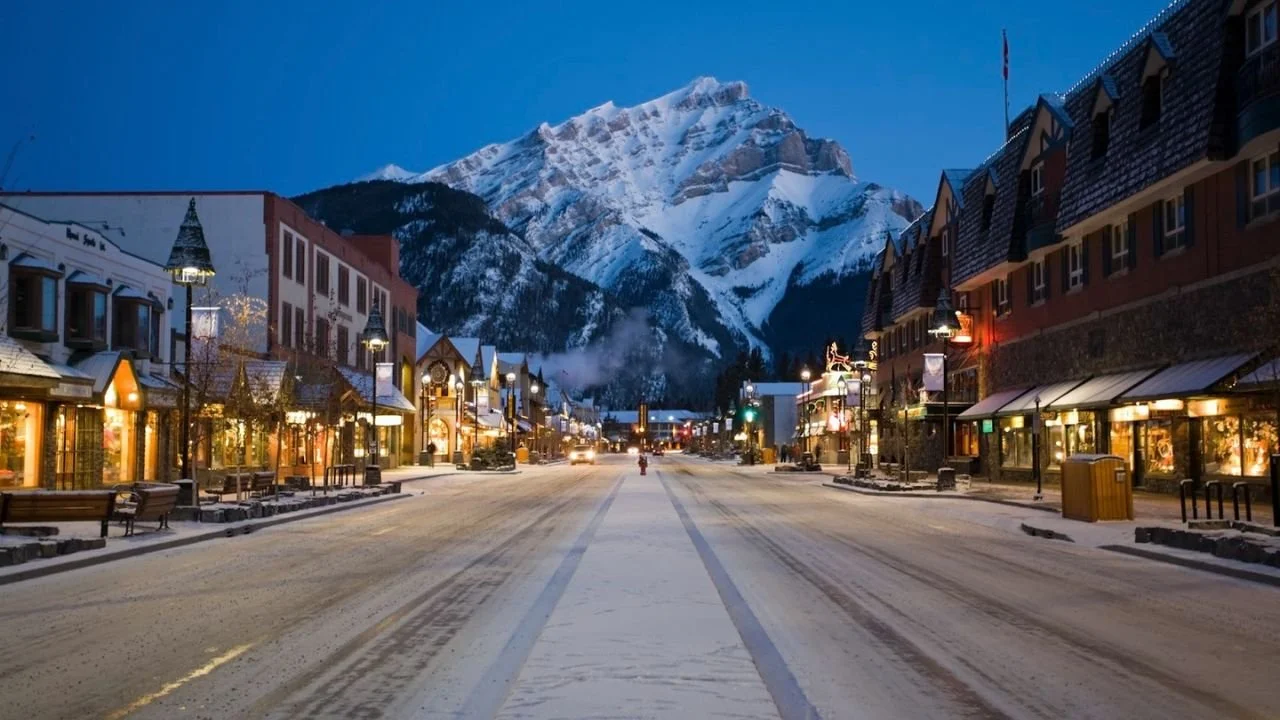
Is Banff in March Good for Beginners?
This question comes up often. With proper planning, Banff indeed is good for beginners.
Most winter activities here suit beginners when guided:
Snowshoe walks require basic fitness
Canyon walks follow built paths
Lake walks stay flat - please remove
Sightseeing routes use maintained roads
Altitude rarely causes problems in Banff town. It sits around 1,380 meters. Some passes climb higher, but the guides pace groups slowly.
The bigger challenge is clothing and footing, not breathing. This is why many first-time visitors book small group tours. They learn how to walk on packed snow. They borrow the traction gear. They avoid dangerous shortcuts. And they relax.
Do You Really Need a Guide?
Not always. But ask these questions honestly:
Do you know which lakes freeze safely?
Can you read avalanche bulletins?
Do you recognize wind slab snow?
Would you drive icy mountain passes at dusk?
If the answer is no, guided services become more than comfort.
Instead of staring at weather apps, you watch wolf tracks cross a frozen creek. Instead of gripping the steering wheel, you sip tea while someone else drives icy curves.
We at Canadian Rockies Experience design routes that balance safety with depth. Our winter tours focus on fewer stops but better ones.
What to Pack for March in Banff
Packing light helps. Packing smart helps more.
Do bring:
Waterproof boots with grip
Insulated jacket plus lighter layers
Thermal base layers
Gloves and spare socks
Sunglasses for snow glare
Small backpack
Reusable water bottle
Guided tours often provide:
Snowshoes
Ice grips
Poles
Safety gear
Check details before booking, but most winter adventure packages cover essentials.
Is Banff in March Worth the Money?
Costs matter. Flights dip slightly after February. Hotels lower rates before the April ski rush. Tour prices remain steady because guides, gear, and safety cost real money year-round.
What changes is the value.
March gives:
Fewer crowds
Better light
Stable snow
Easier bookings
Calm town energy
For travelers seeking quiet landscapes and meaningful outdoor time, the return feels high. Many visitors later say March felt more personal than summer. No tour buses. No packed viewpoints. Just wide snowfields and long shadows.
How to Plan a Smooth March Trip
Simple planning beats complex plans here. For a stress-free trip, follow this flow:
Choose travel dates with at least three full days
Book accommodation near Banff Avenue or Lake Louise
Select two guided adventure days
Leave one day flexible for the weather
Rent gear locally if needed
This rhythm avoids rushing. It also leaves room for surprises, like clear skies after snowfall or wildlife sightings near Vermilion Lakes.
Common Mistakes to Avoid
Many March visitors stumble in the same ways.
Avoid:
Overplanning daily schedules
Underestimating cold mornings
Driving long distances after dark
Skipping the traction gear
Chasing too many lakes in one day
The Deeper Reason March Feels Special
March is when Banff exhales. The land rests between seasons. Wildlife grows bolder, trails feel wider, and silence stretches longer.
Visitors who come then often leave quieter. Guided or solo, Banff in March offers something rare in modern travel. And once you taste that stillness, it changes how you measure adventure.
Not by distance covered. Not by photos taken. But by the moments that follow you home, long after the snow melts.
