
7 Hidden Secrets to Experiencing Moraine Lake Sunrise Like a Local (2026 Guide)
Moraine Lake sunrise is worth it when you slow down, plan honestly, and meet the morning on its own terms.
People here come looking for colors. But what surprises them is the stillness. Moraine Lake at dawn requires more than a quick photo session because it offers a special moment of peace. The valley enters a state of wakefulness, which only a few people get to experience.
The guide supports travelers who need more than transportation information. It provides authentic and practical mountain advice without any commercialized presentation. Many readers wonder whether to book a Moraine Lake sunrise tour, go on their own, or skip sunrise entirely. Each choice has trade-offs, and this guide walks through them calmly.
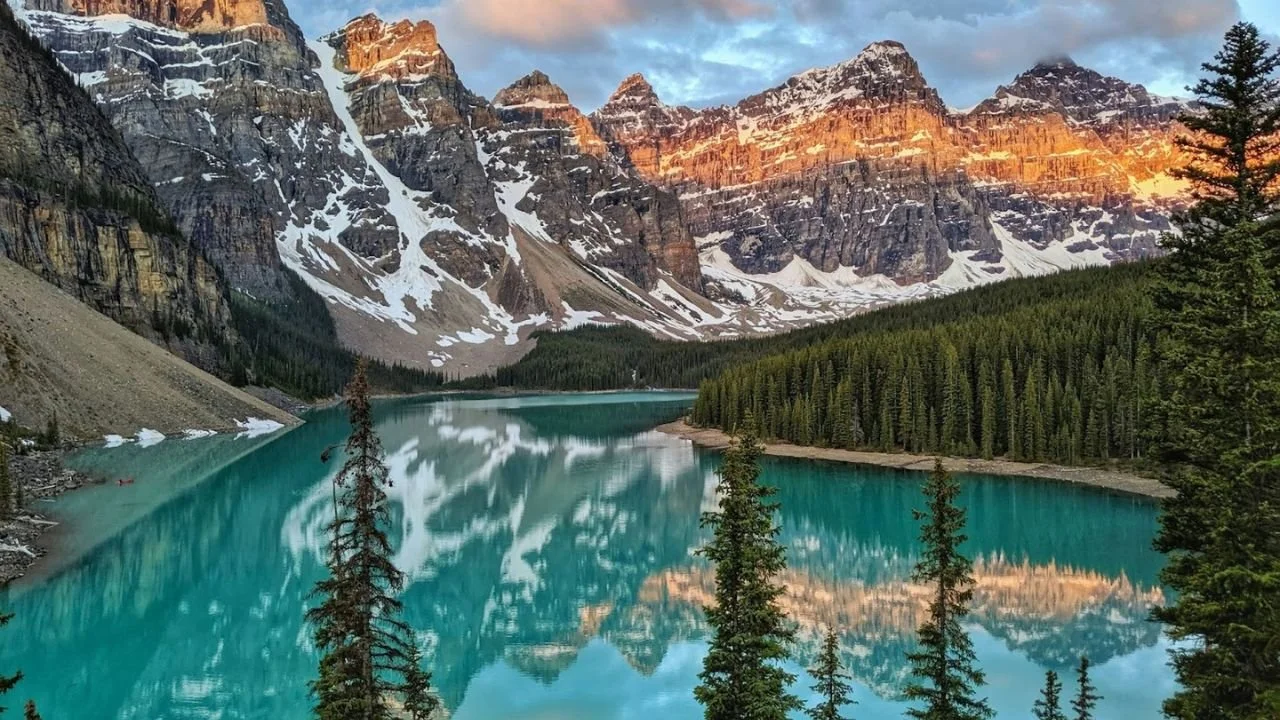
What Makes Moraine Lake Sunrise Special
Sunrise here changes the character of the place. Later in the day, Moraine Lake can feel busy and compressed. Early morning feels open and unhurried. The peaks reflect cleanly. Footsteps echo less. Even breathing feels slower.
There is also a practical reason locals favor the morning. The weather in the Rockies tends to be calmer before midday. Clouds often build later, especially in summer. Sunrise gives you the best chance of clear skies and soft light without fighting the elements.
A common question comes up at this stage. Is waking up that early really worth it? For people who value quiet, space, and atmosphere, it usually is.
Check out our Banff Sunrise and Johnston Canyon Hike here!
7 Little-Known Ways to Enjoy Moraine Lake Sunrise
A Moraine Lake sunrise is shaped by choices made long before the sky changes color. These little-known details often matter more than the camera you carry:
1. The best Moraine Lake sunrise depends more on timing than season
Many visitors focus on which month to visit. Locals pay closer attention to minutes.
Arriving well before first light matters more than showing up at the official sunrise time. Your eyes adjust. Your body settles. You get to choose where to stand instead of reacting to crowds.
A few timing truths that come from experience:
Aim to be at the lake at least 45 minutes before sunrise
The strongest glow often appears before the sun clears the ridge
Color can peak fast and fade quietly
This is one reason guided mornings feel calmer. The schedule is built around light patterns, not clock times.
2. Getting to Moraine Lake is harder than being there
The walk around the lake is easy. Access is not.
Private vehicles are restricted, and parking is not available most of the year. This catches many first-time visitors off guard, especially those planning a sunrise.
You will have to choose between limited shuttles, commercial transport, or a guided option.
Key things to think through:
Shuttles sell out quickly and follow fixed times
Rideshares are unreliable before dawn
Guided transport removes most of the guesswork
This is often when people ask if they really need a guide. The guide is less about instruction and more about removing friction. We at Canadian Rockies Experience handle access, timing, and flow so the morning feels simple instead of stressful.
For more details, check out our guided tour package.
3. The Rockpile is iconic, but it is not the whole story
The Rockpile viewpoint earns its reputation. The view is wide, dramatic, and memorable. Most locals still start there.
They just do not stay there the whole time.
Small movements along the shoreline reveal new reflections and quieter pockets. Stepping away from the main viewpoint often brings back the feeling of discovery.
Some things worth exploring are:
Lower shoreline angles for calmer reflections
East-facing spots with softer light
Short forested sections that block the wind
Guides who work here regularly tend to share these gentle transitions, not because they are a secret, but because they understand the rhythm of the place.
4. Dress for standing still, not for hiking
The cold surprises people, even in the summer. Sunrise at Moraine Lake involves more standing than walking. That changes what you need to wear.
A simple local approach:
A warm base layer that traps heat
An insulating mid-layer
A windproof outer shell
Gloves and a hat, even in July
People who choose a Moraine Lake sunrise tour often notice how small comforts matter. Warm drinks, blankets, and unhurried pacing make it easier to stay present instead of counting minutes.
Check out our Private Moraine Lake Guided Hiking Tour here!
5. Sunrise is not just something you see
Sunrise is not just a sight, but also something you hear as well.
Before crowds arrive, sound travels differently. Wind moves through trees. Rocks shift high above the lake. Birds break the quiet without warning.
Locals often pause for photos just to listen. That pause is part of the experience.
This is why rushed itineraries feel wrong here. Silence cannot be scheduled. It happens when people give it space.
6. Weather decisions matter more than forecasts
Mountain forecasts are helpful, but they are not guaranteed.
A cloudy prediction can open into clear skies. A sunny forecast can turn flat. Experience fills in the gaps.
This is where local knowledge counts. Guides read wind direction, temperature changes, and cloud movement, not just apps.
Common thinking points:
Will altitude be an issue? Most visitors manage it well at a relaxed pace
Is shoulder season safe? It can be, with the right judgment
Is there flexibility to adjust plans? This often defines the quality of the morning
We at Canadian Rockies Experience build our tours around these decisions rather than rigid routes, which is why many travelers feel more at ease.
7. The morning does not end when the color fades
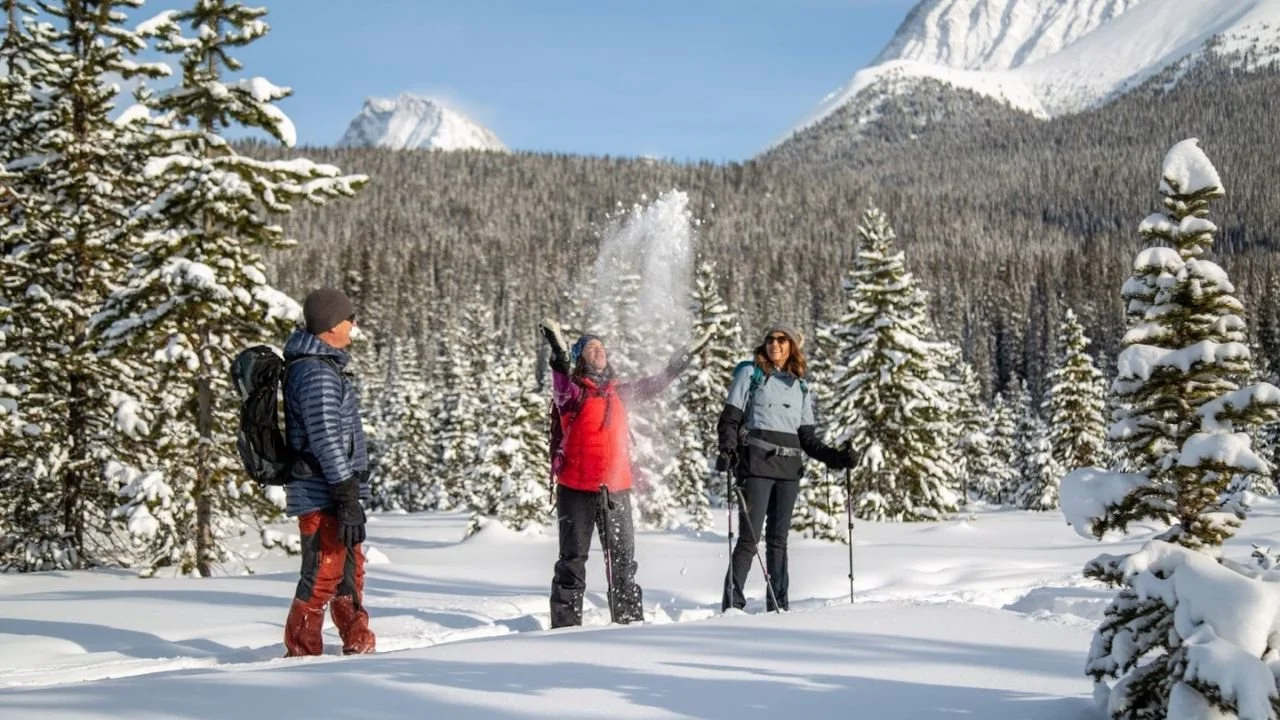
Many people leave as soon as the glow disappears. Locals usually stay.
After sunrise, the lake settles into a softer mood. Light evens out. The air warms slightly. Crowds remain thin for a while.
This is an ideal time for slow walks or pairing Moraine Lake with nearby valleys or Lake Louise. Thoughtful tour planning often links these places naturally, so the morning feels complete rather than rushed.
Is a Moraine Lake Sunrise Tour Worth It?
This question comes up often, and the answer depends on what drains your energy.
If planning access, waking early, and reading conditions feel exciting, going solo can work. If those steps feel heavy, guided options remove stress.
What people are really paying for:
Smooth early access
Calm pacing
Real-time decisions based on conditions
Smaller groups that protect the quiet
For travelers seeking authentic mountain experiences, that trade often feels reasonable.
Small Details That Matter
Locals rarely announce these things in advance. They mention them later, casually, as if they were obvious. But these small habits quietly shape how your Moraine Lake sunrise actually feels.
Bring a headlamp, even in the summertime.
The trail and lakeshore stay dark long after you arrive. A phone light drains fast and keeps one hand busy. A headlamp lets you walk safely and stay relaxed.Eat something light before you reach the lake.
Cold air and waiting still can drain your energy. A banana or a small snack keeps your body steady and your mind clear.Keep your phone warm inside your jacket.
Mountain cold eats batteries quickly. Many visitors lose power just as the sky starts to change color.Respect closures and restoration areas.
Those ropes protect fragile plants that take years to grow. Locals notice when people step over them. Staying on the path shows quiet respect.
When the Lake Gives Something Back
A Moraine Lake sunrise tour gives back what you bring to it. Patience, quiet prep, and simple respect often come back as something you cannot plan for.
Some travelers do everything right and still feel tense. Others stand there with a warm cup in their hands, shoulders loose, breath slow, and notice how the peaks soften before the color even shows. That is usually the moment they remember years later.
For people who want that kind of morning without guessing their way through logistics, private local guides can quietly change the tone of the experience. Our tours at Canadian Rockies Experience help handle timing, access, and pacing so visitors can focus on being present instead of problem-solving in the dark.
Because in the end, Moraine Lake does not reward speed. It rewards stillness.
