
Best Time to Visit Banff in 2026: Insider Adventure Guide
The best time to visit Banff has to be from late June to September for a classic mountain adventure, while late September to early October and March offer a high-value experience but without the crowd of visitors.
There lies the answer to the most significant question that most travelers have in mind. Beyond that, Banff does not have such an attraction for a single season. It changes in mood, colors, and vibes through the four seasons. The right time varies depending on what kind of experience you are looking for.
This guide is for people planning guided tours in Banff, not just ticking landmarks off a list. Think of it as the calm, practical advice from someone who knows when the mountains buzz with energy, and when they feel really overwhelming.
Why Timing Matters More Than You Think in Banff
Banff National Park looks postcard-perfect all year, but timing shapes everything. It decides whether Lake Louise feels peaceful or packed. It decides if hikes feel inspiring or rushed. It even decides whether a guide adds value or feels optional.
Many travelers ask the same quiet questions while planning:
Is this my only chance to see Banff properly?
Will crowds ruin the experience?
Is paying for guided tours really worth it?
The answers shift with the season. That is why understanding the best time to visit Banff Canada is less about weather charts and more about how you want to feel while you are there.
Best Time to Visit Banff for Most Travelers: Late June to September
For first-time visitors, late June to September remains the safest and most rewarding window. Snow melts from high trails. Lakes turn that unreal turquoise. Wildlife stays active. Roads and attractions operate at full capacity.
This is the season most people imagine when they picture Banff.
What Makes Summer Special
Summer is when Banff shows its full range. Long daylight hours allow unhurried days, trails open deeper into the park, Alpine meadows bloom, and the air smells of pine and cold water.
It is also the season when guided experiences shine. With so much to see, local guides help travelers move smarter instead of faster. We at Canadian Rockies Experience design tours that skip guesswork and bring visitors to the right places at the right time of day.
But there is a trade-off. Summer is busy. Parking fills early, and popular spots feel rushed by midday. Independent travelers often spend more time planning logistics than enjoying the views.
That is why many people quietly ask, “Is this worth the money?”
For summer, the answer often becomes yes. Guided tours reduce stress, manage timing, and unlock quieter moments even in peak season.
July and August: Peak Season, Peak Energy
July and August sit at the heart of the best time to visit Banff window. Everything shines and attracts people. These months are ideal if this is a once-in-a-lifetime trip and flexibility is limited.
What to Expect
Warm daytime temperatures, cool evenings
Fully open trails, gondolas, and scenic drives
High demand for hotels and tours
Crowds peak between 10 a.m. and 4 p.m. The difference between a magical day and a frustrating one often comes down to planning.
Guided day tours help travelers avoid bottlenecks. Early starts, alternate viewpoints, and local timing tricks make a real difference. This is where experienced operators quietly add value without overselling it.
Late June and Early September - It is still Quite Busy in Early Sept September: The Smart Shoulder Sweet Spot
If there is an insider favorite, this is it.
Late June and early September - as above deliver nearly the same scenery as peak summer, with noticeably fewer people. Lakes stay bright, wildlife stays active, and the weather stays stable enough for most adventures.
Why This Period Works So Well
Fewer tour buses and tighter crowds
Better availability for guided experiences
Cooler hiking conditions
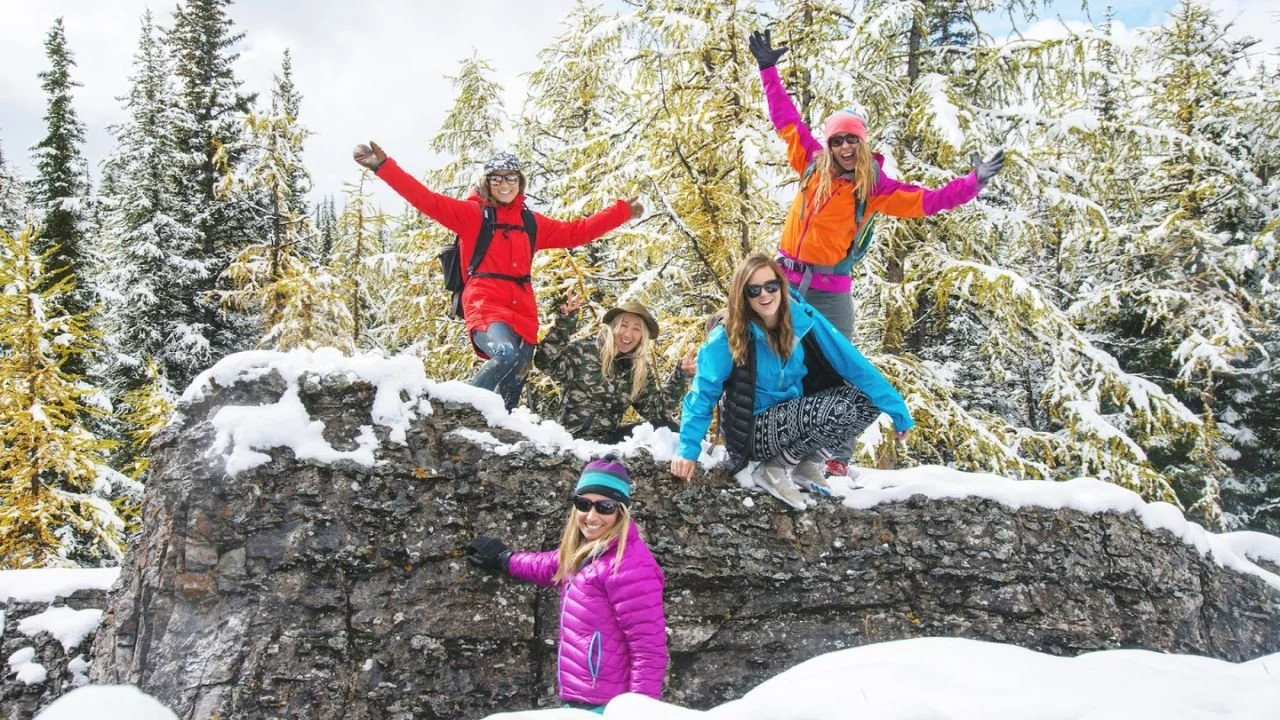
September adds golden larch trees at higher elevations. There is a crisp edge to the air, mornings feel calm, and days feel unrushed.
Best Time to Visit Banff on a Budget: Spring and Late Fall
Not everyone wants peak season. Some travelers want space, value, and a slower pace. That is where spring and late fall step in.
April to Early June: A Season in Transition
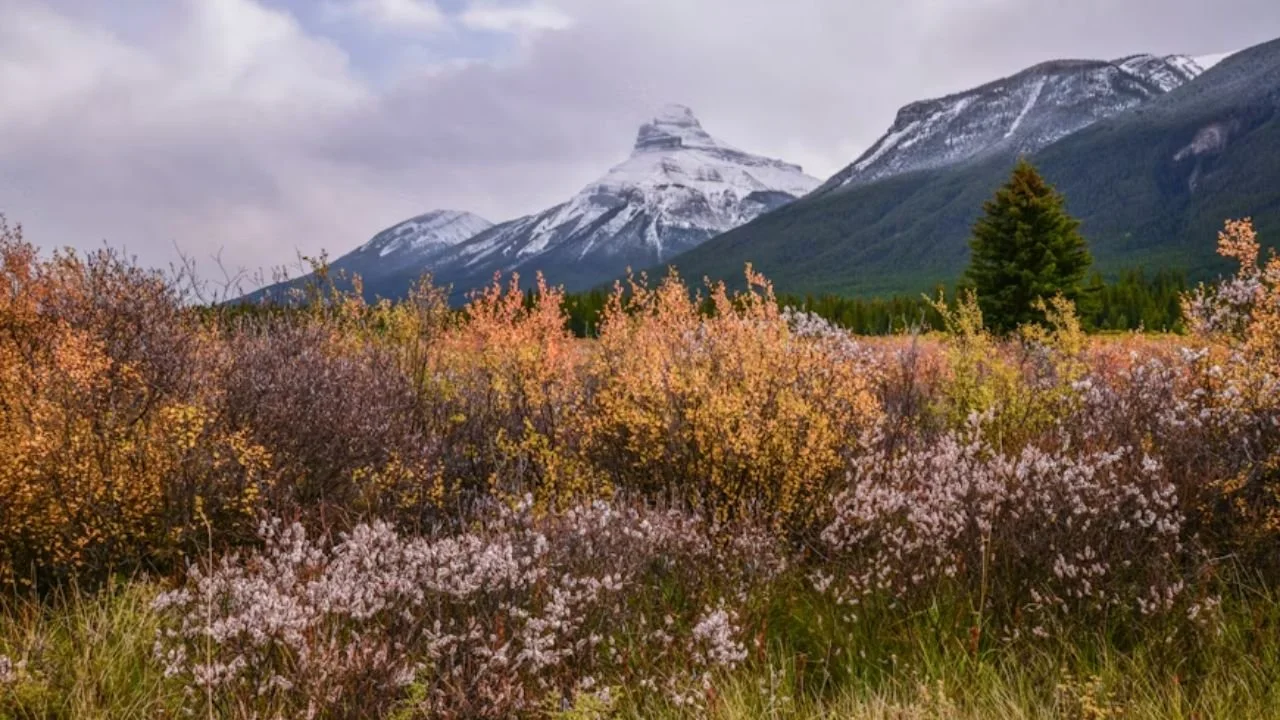
Spring in Banff feels quiet and honest. Snow lingers on peaks, valleys thaw slowly, and some high trails remain closed. This season suits travelers who enjoy scenic drives, wildlife spotting, and photography.
Things to keep in mind:
The weather changes fast
Some attractions open late
Guided tours focus more on flexible itineraries
Professional guides adjust plans based on conditions, which removes risk for visitors unfamiliar with mountain weather.
October to November: Calm Before Winter
Late fall strips Banff back to its bones. The crowds disappear, and the mountains feel closer. Days shorten, but moments feel deeper.
This is not the season for ticking highlights. It is the season for travelers who enjoy mood, silence, and reflection.
Winter in Banff: A Different Kind of Adventure
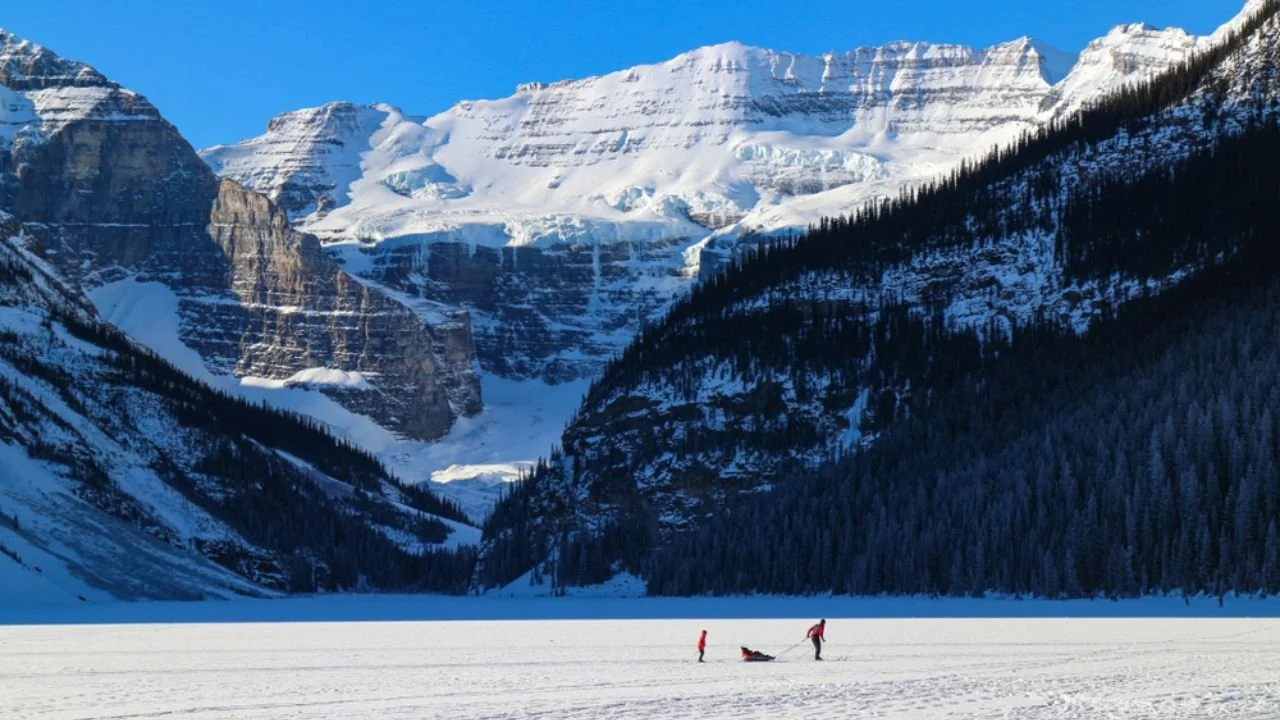
Winter does not compete with summer. It offers something else entirely. From December to March, Banff transforms into a snow-covered playground. With fewer people around, even famous spots feel personal. It is a season for travelers who enjoy slowing down and seeing Banff from a calmer angle.
Why Winter Deserves Attention
Snowshoeing and winter walks feel intimate, with quiet trails and unhurried pacing
Frozen lakes create rare photo moments that exist only for a short time each year
Fewer visitors outside ski areas, making viewpoints and drives far more relaxed
Winter invites a simple choice. Do you want Banff at its busiest, or at its most still?
Month-by-Month Snapshot for Quick Decisions
Sometimes a simple overview makes planning easier. Banff changes quickly with the seasons, and even a single month can shape the entire experience. This snapshot helps match expectations with the right time to go.
January to March
Best for snow sports and classic winter scenery. Cold temperatures, but the mountains look their sharpest and most dramatic.
April to May
Quiet and transitional. Wildlife activity increases in lower valleys, while high-elevation areas remain snowbound.
June
Snow melts, lakes begin to glow turquoise, and hiking options expand. Crowds start to build, but it remains a strong all-round month.
July to August
Peak conditions and peak crowds. Ideal for first-time visitors, especially with guided support to manage timing and logistics.
September
Larch season brings golden landscapes, cooler air, and fewer visitors. A favorite time for locals and repeat travelers.
October to November
Shorter days and moody mountain scenes. The park feels calm and reflective before winter settles in again.
Do You Really Need a Guide in Banff?
This question comes up often. The honest answer depends on timing. During peak months, guides save time, stress, and energy. They handle logistics while visitors stay present. During shoulder seasons, guides add context, safety, and access.
We at Canadian Rockies Experience focus on small groups and curated routes. That matters in Banff, where small timing shifts change everything.
A guide doesn’t take away the adventure; in fact, it reveals more of it.
Is the Best Time to Visit Banff the Same for Everyone?
Not at all. Banff does not reward one kind of traveler more than another. It rewards clarity. Some people come for turquoise lakes and long summer days. Others come for quiet trails, cold air, and space to think. Some travelers want the best value. Others want certainty and structure, especially if time is limited.
The best time to visit Banff Canada, is the point where expectations meet reality. When the season supports the experience you actually want, not the highlight reel you saw online. That moment looks different for everyone, and it often becomes clear only after asking the right questions.
This is where guided tour planning makes a real difference. Thoughtful operators focus on understanding pace, comfort, and priorities before suggesting an itinerary. They help travelers choose a season that fits, rather than forcing an experience into the wrong window. In Banff, timing shapes everything. Choose it well, and the mountains do the rest.
