
Guide to Three Sisters Canmore: Best Views, Easy Walks & Adventure Tours (2026)
Three Sisters Canmore is easy to enjoy for beginners, rewarding for photographers, and rich enough for slow travelers who just want quiet mountain time. You do not need to be a climber or hardcore hiker to appreciate it. You only need good timing, the right viewpoint, and a clear idea of what kind of day you want. Some people come for a short walk before dinner. Others plan their whole morning around the light hitting the peaks. Both leave satisfied.
This guide answers the real questions people ask before they go. Is it easy to reach? Which view is truly worth the walk when your legs are tired, or the weather turns? Do guided tours add real value, or are they just another expense dressed up as an “experience”? And perhaps most important of all, how do you avoid spending half your day second-guessing, driving in circles, or standing at the wrong spot while the best light quietly fades somewhere else?
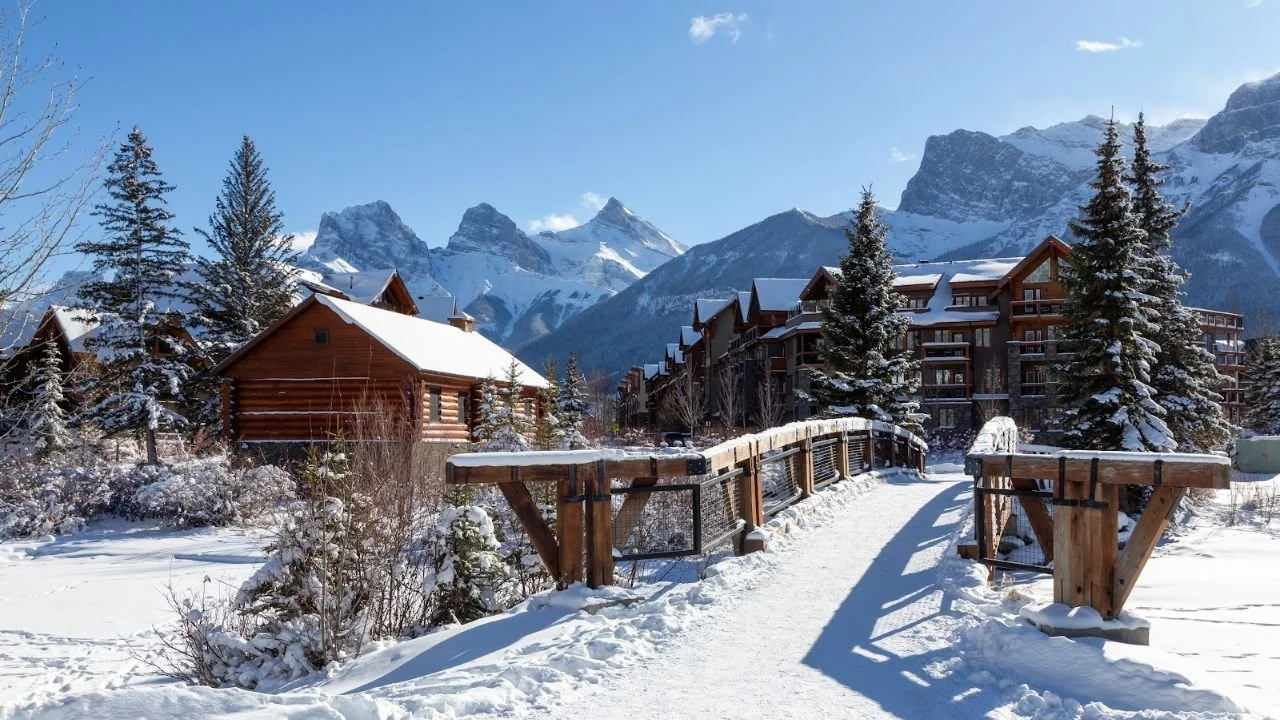
Why does Three Sisters Canmore Feels Different?
Most mountain landmarks demand physical effort long before offering any real visual reward to visitors. Many require steep climbs, long drives, or careful planning before the scenery finally feels satisfying. The Three Sisters are different in this way and far more welcoming to first-time visitors. They rise clearly above the town, tall and steady, and immediately signal that you have arrived somewhere special.
Residents often use the peaks as a natural point of direction when giving simple travel instructions. Visitors see them as confirmation that their journey into the Canadian Rockies was worth the time and distance.
The mountains sit directly beside Canmore, rather than in remote wilderness areas. This single detail changes how people experience them throughout the day. You can notice them while walking between cafés or shops in the town center. You can reach nearby pathways easily after lunch without preparing for a demanding hike. Parents with young children and older travelers with limited energy can enjoy the same views comfortably.
Early mornings bring soft color and gentle shadows across the slopes and upper ridges. Evenings add a stronger contrast as the sun lowers behind the valley. On certain days, low clouds move slowly around the highest points and create changing shapes against the sky. Many people pause without planning to, simply because the scene quietly holds their attention longer than expected.
Where exactly are the Three Sisters?
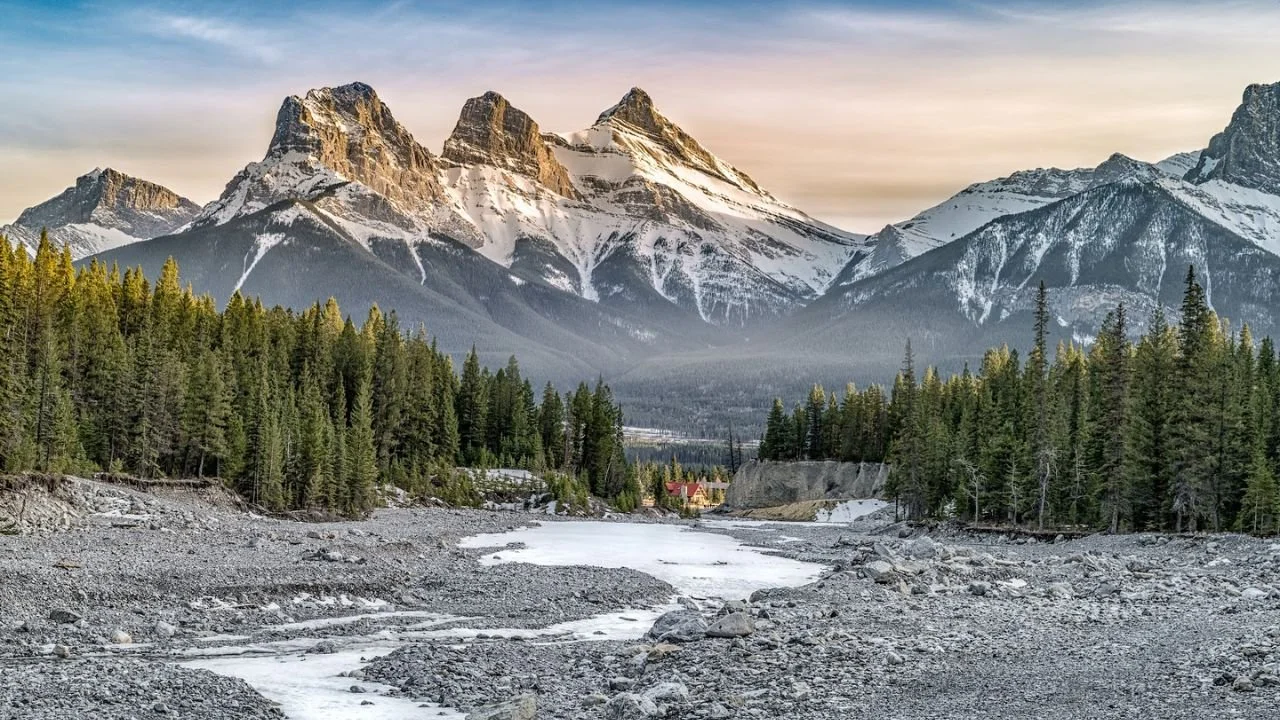
The Three Sisters are three narrow peaks at the edge of Canmore in Alberta. They stand in the Bow Valley, east of Banff National Park. Locals call them Big Sister, Middle Sister, and Little Sister.
They sit near the Trans-Canada Highway, but the sound of traffic fades once you step onto the paths. That closeness makes planning simple. Although vehicles pass nearby, the noise fades quickly once you step onto the walking paths or river trails. Trees, small rises in the land, and the flow of water help soften the sound within minutes. This sense of distance from traffic arrives much faster than most visitors expect.
That closeness changes how people plan their day in practical ways. There is no need for long early-morning drives, special transport bookings, or complicated park entry permits to enjoy basic viewpoints. This simple access is one of the main reasons first-time visitors often choose the Three Sisters area as their starting point in Canmore.
Three Sisters Canmore Viewpoint: The Best Spot for First-Time Visitors
If you only visit one place in the area, choose the Three Sisters Canmore Viewpoint, near Policeman's Creek. Or, along the Bow River pathways is another great access point. These are spots with the best access and open views, with a quieter, free environment for first-time visitors.
The walk is level, uncomplicated, and comfortable. It doesn't demand a high fitness level, special footwear, or planning other than some basic awareness of the weather.
The Three sisters viewpoint is not suitable for strollers and has uneven ground. However, you can get great views on the Bow River trail near downtown Canmore. This trail is packed and suitable for everyone. The path itself is straight, wide, smooth, and packed dirt for strollers and slow walkers. Older visitors usually take their time slowing here, stopping to rest and observe without being in a hurry and unsafe. It takes just ten minutes of steady walking from nearly all parking areas close to the viewpoint.
This is the 3 sisters viewpoint, and it is complicated. What actually makes this place special is the clean view angle to the three peaks. Mountains are clearly aligned without big trees blocking the lower slopes or breaking the scene. A little bit of water in the foreground normally shows in the picture, which balances the shots and makes the view feel calm and spacious
Best times to visit:
Sunrise for soft color and silence
Sunset for gold light and long shadows
Early winter for snowy tips and dark blue sky
Is Hiking the Three Sisters Realistic for Normal Visitors?
This is where expectations matter. Climbing the actual peaks is not for beginners. Routes are long, steep, and technical. The weather shifts fast. Rescue teams train here.
So the real choice is not “should I climb the peaks?” but:
“Do I want to hike near them or just have a clear view of them?”
Most people choose views and short walks. And they leave happy.
For those who want more effort without danger, nearby hikes like Grassi Lakes or Ha Ling viewpoints give height without serious risk.
Do You Really Need a Guide?
Whether or not you need a guide depends on the type of tour you want to take. If you only plan to visit viewpoints and easy walking paths, a guide isn’t required. But if you want to understand the place on a deeper level, having a guide is a great idea.
Guided trips around the Three Sisters in Canmore often add layers that most people miss on their own. A good guide does not rush the day or turn it into a lecture. They quietly connect small details into a bigger picture, so the landscape starts to feel alive instead of distant.
These trips usually include:
Local stories about how the valley developed over time
Simple explanations of the rock layers and mountain shapes
Wildlife spotting tips that help you notice movement others ignore
Safer route choices when weather or trail conditions change
Photography advice for light, angles, and timing
Transport from the town for people without a car
Some travelers love wandering alone with no plan and no schedule. They enjoy stopping randomly and changing direction when something looks interesting. Others prefer knowing that someone else has already solved the hard parts of the day. Neither style is better. They are just different ways of traveling.
A guide becomes especially useful when:
You are short on time and want the best spots without guessing
You want quiet viewpoints that are not obvious on maps
You care about understanding the land, not only seeing it
You feel unsure about changing weather or unfamiliar trails
Many visitors book through local experience platforms such as Canadian Rockies Experience, which focuses on small group outings and slow travel style activities around Canmore and Banff. Their guides often share small details that never appear on signs or travel blogs. They point out old mining paths hidden beside modern trails. They explain how wind shifts through the valley in the late afternoon. They notice how one peak darkens faster than the others after rain and explain why.
That kind of context changes the day. It turns a pleasant walk into something personal. Not just a view you photograph, but a place you understand a little better when you leave.
When to Visit Three Sisters Canmore
Each season changes the mood around the mountains, sometimes in small ways, sometimes in ways that completely reshape the day.
Spring: Snow still caps the peaks, and the contrast with the darker valley looks dramatic in photos. Many paths remain damp or muddy, especially in the mornings, so good shoes help. The town stays quiet between tourist seasons, which makes walks feel unhurried and personal. The air carries a sharp chill, but it feels clean and energizing.
Summer: Days stretch long, and the valleys turn deep green with fresh growth. This is the busiest time, especially around midday, when visitors fill the popular spots. Evenings feel calmer, with softer light and cooler air drifting in from the mountains. It is the easiest season for relaxed walks and casual exploring without worrying about snow or ice.
Fall: Trees turn gold and rust along the riverbanks, and the town slows again after summer crowds fade. Nights grow cold, but daytime skies often stay clear and bright. Many locals quietly choose this season for their walks, mostly for the light and the stillness. It feels balanced, not rushed.
Winter: Snow settles into every corner of the valley, and the peaks look sharper against darker skies. Footsteps crunch along frozen paths, and thin ice forms beside the creek. The cold is real and sometimes biting, but the quiet can feel deep and peaceful. Fewer people visit, which gives the place a slower rhythm that some travelers love.
Why Do People Keep Returning?
People return to this place not because the mountains change, but because their experience does. Light, weather, and personal mood shift with every visit. One trip feels simple and visual. Another feels slow and grounded. The peaks stay the same, but what people take away rarely does.
Some come for excitement, some for quiet, and some for a sense of arrival. Three Sisters Canmore holds all of those reasons at once. Travelers who want more than views often explore with our local guides at Canadian Rockies Experience, where stories and context add depth to the walk. In the end, the real choice is not about visiting, but about what kind of memory you want to carry home.
