
Emerald Lake in Winter: 7 Magical Things to Know Before You Go
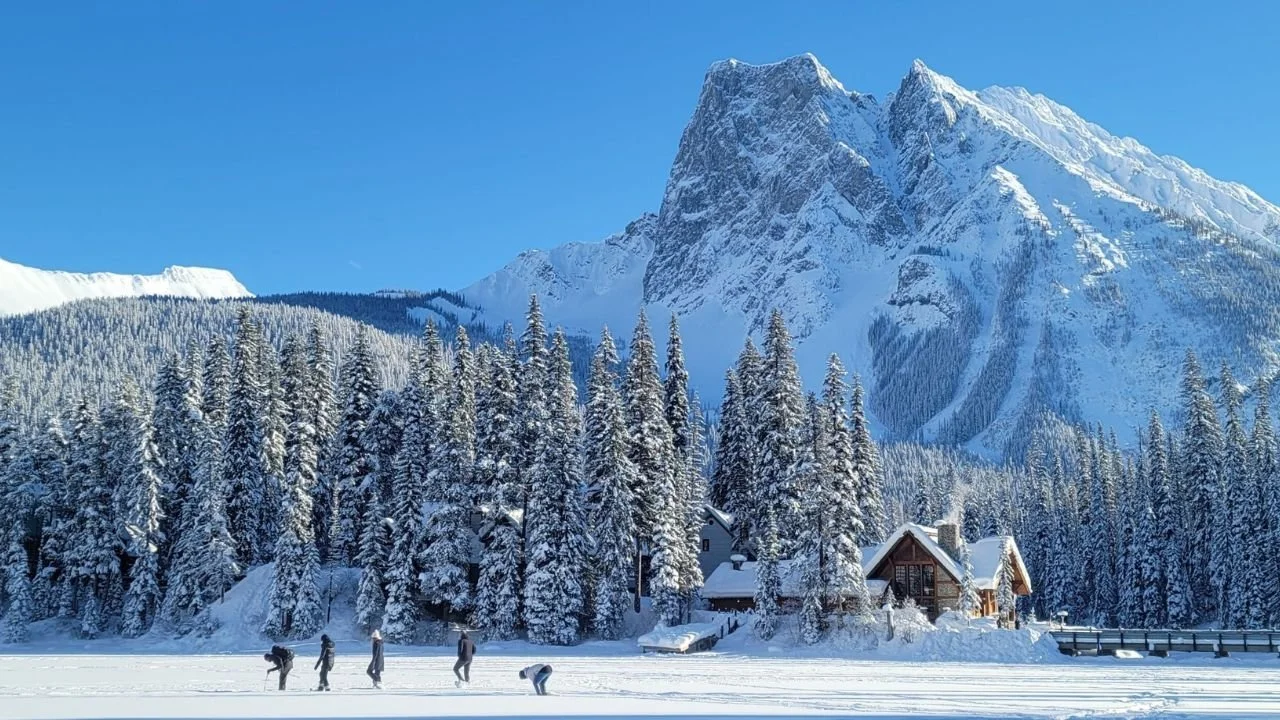
Emerald Lake in winter is a great place to enjoy the Canadian Rockies without doing a hard hike. The lake freezes, snow covers the trees, and the whole area feels calm and quiet. You may plan to stop for a short time, but it is easy to stay longer.
Winter does change the visit, as snow and ice can make the trail harder. The walking route may also change during the season. There is avalanche terrain nearby too. Check the latest conditions before you go so you can enjoy the day without stress.
Emerald Lake in Winter: Quick Facts Before You Go
Emerald Lake sits in Yoho National Park, British Columbia, just west of the Alberta border. The park remains open through winter, and Emerald Lake is accessible by road year-round, though weather or safety issues can still cause temporary changes.
Here is the useful stuff to know before leaving your hotel:
Winter lakeshore loop: 5.2 km
Walking time: around 2 to 3 hours
Elevation gain and loss: about 120 m
Road: Emerald Lake Road is normally open year-round
Parking: spaces are limited
Phone signal: unreliable in much of Yoho
Park pass: required when visiting the national park
Best snow period: often late December to late March
Winter driving: winter or M+S tires are required on the Trans-Canada through Yoho from October 1 to March 31
Parks Canada recommends checking trail conditions, weather and closures before heading out. Conditions can change during the same day, which is fairly normal for winter in the Rockies.
7 Things to Know About Emerald Lake in Winter
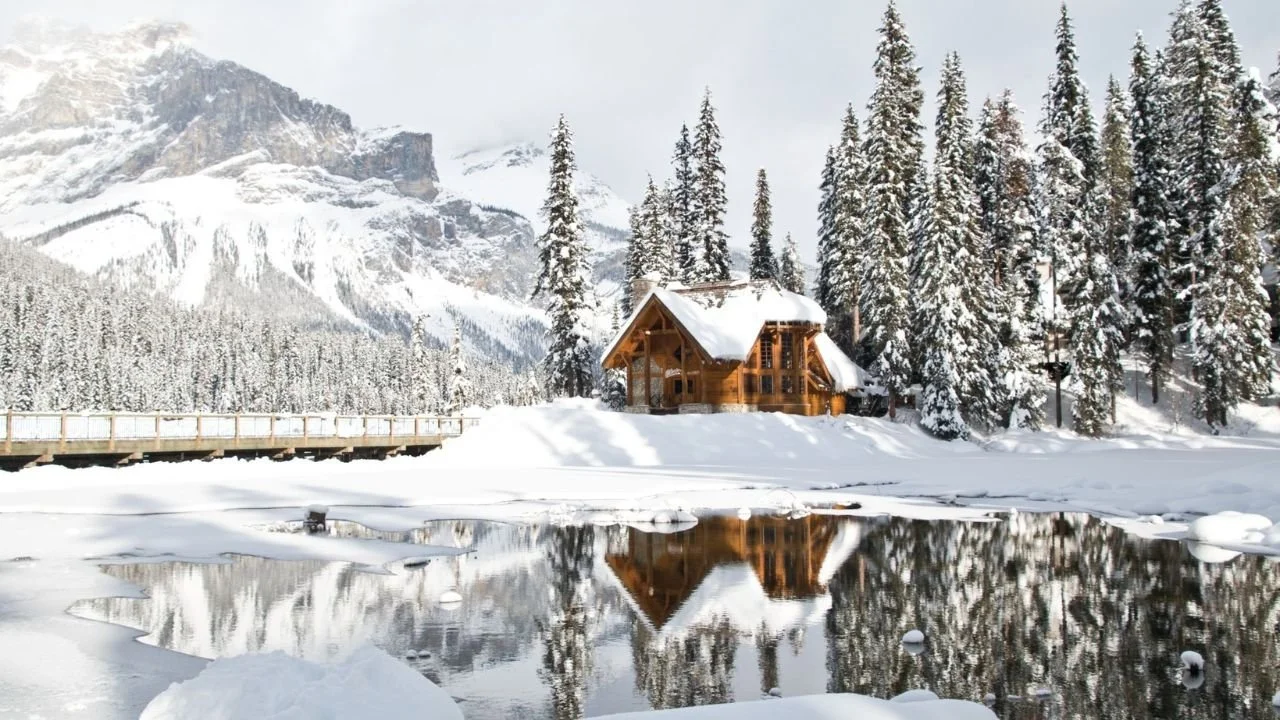
1. Winter Gives Emerald Lake a Completely Different Feel
If you have only seen summer photos, winter may catch you off guard. The famous green water disappears beneath snow and ice. Forest, lake and mountain seem to blend into one huge white landscape. It is also a place where slowing down makes sense. You do not need to fill every minute with an activity.
What makes winter special:
Much quieter atmosphere
Snow-covered mountain views
Easy access to short winter walks
Snowshoe and ski routes nearby
Excellent winter photography
Give yourself time to stand near the bridge and simply look around. Emerald Lake is one of those places where doing less often feels better.
2. The Emerald Lake Winter Hike Is Friendly to Beginners
The main Emerald Lake winter hike is the 5.2 km lakeshore loop. Parks Canada rates it as an easy winter route, and most people need about two to three hours. The important detail is that its starting route can change. Early in winter, visitors follow the shore when grooming across the lake is not safe. Once the lake surface is suitable, the winter route can begin across the lake to avoid an avalanche path.
Before you start:
Check current trail conditions
Follow winter route signs
Do not rely on footprints
Carry ice cleats when it is slippery
Turn around if weather gets worse
You also do not need to finish the whole loop. If your goal is scenery rather than mileage, a short walk can be enough.
3. Walking on the Frozen Lake Needs More Thought
“Can I walk across Emerald Lake in winter?” is a fair question. The answer depends on current conditions and the marked Parks Canada route.
A frozen lake may look safe from shore, but snow can hide weak ice and cracks. Other people's tracks are not proof either. Parks Canada specifically warns that existing tracks should not be treated as evidence that an area is safe.
Keep it simple:
Stay on the current marked route
Obey avalanche warning signs
Do not wander onto unmarked ice
Check conditions on the day
Avoid backcountry terrain without training
There is a large avalanche path on the left side of Emerald Lake. Emerald Basin also enters avalanche terrain and requires suitable training and rescue equipment.
4. You May Not Need Snowshoes
A common mistake is assuming every winter walk in Canada requires snowshoes. It does not. If the Emerald Lake trail is packed, good insulated winter boots may be enough. Fresh, deep snow is when snowshoes become far more useful. On hard or icy paths, ice cleats may help more.
Pack for the conditions:
Insulated winter boots
Warm socks
Gloves or mittens
A toque or warm hat
Layers you can add or remove
Sunglasses and sunscreen
Water and a snack
Ice cleats when needed
Do not dress for the temperature you see from your hotel window. Standing beside a frozen lake can feel much colder once wind enters the picture.
5. A Private Tour Is About Ease, Not Just Luxury
You do not need a guide to visit Emerald Lake. If you are comfortable driving mountain roads in winter and checking conditions yourself, an independent trip can work well. A private tour becomes useful when you want someone else to manage the roads, timing and changing weather. It can also make life easier when travelling with children, parents or anyone who prefers short outdoor stops with warm breaks between them.
At Canadian Rockies Experience, we offer private winter sightseeing with local guides. Our Yoho and Icefields Parkway Winter Tour from Lake Louise starts with Emerald Lake before continuing to Bow Lake and Peyto Lake.
The five-hour private tour includes:
Luxury SUV or executive van transport
Hot drinks and pastries
Restaurant lunch
Flexible start times on request
Emerald Lake, Bow Lake and Peyto Lake
The company also lists professional IGA guides and team members with ACMG hiking credentials and wilderness first-aid training.
6. Photos Are Easy. Skating Is Less Predictable
Emerald Lake is almost unfairly easy to photograph in winter. The bridge gives you a natural foreground, while snow and dark pine trees frame the surrounding peaks. Skating is less certain. A lake being frozen does not automatically make it suitable or safe for skating. Snow cover and ice conditions can change throughout winter.
For better winter photos:
Shoot around the bridge
Add a person for scale
Look for reflections when ice is exposed
Keep spare batteries warm
Protect phones from snow and cold
Take your photos, of course. Then put the phone back in your pocket for a few minutes. The quiet is half the reason to come.
7. Add One or Two Nearby Stops, Not Ten
Emerald Lake works well as part of a wider winter day. The trick is not turning the trip into a race between viewpoints. Hamilton Falls and Peaceful Pond both have short winter routes starting near Emerald Lake. Parks Canada lists each at roughly a 30-minute return trip.
Depending on your route, you could also consider:
Hamilton Falls
Peaceful Pond
Natural Bridge area
Lake Louise
Bow Lake
Peyto Lake
If you are travelling privately, Bow Lake and Peyto Lake pair especially well with Emerald Lake on a Lake Louise-based day. Ask yourself what you actually want. A long walk? Three great viewpoints? Photography? Or an easy day with warm breaks and very little fuss? That answer should shape the itinerary.
Is Emerald Lake worth visiting in winter?
For most travellers, yes. Emerald Lake in winter offers dramatic mountain scenery without requiring a difficult hike or full day outdoors. You can make the visit as active or relaxed as you like. Walk the lakeshore, try a short snowshoe route, take photographs, or simply enjoy the view before moving on.
If winter roads, changing conditions and planning are the parts you would rather skip, a private guided day can take care of them for you. Sometimes luxury in the Rockies is not about doing more. It is having enough time to stop, look around and realize you do not need to be anywhere else.
Common Questions About Emerald Lake in Winter
Is Emerald Lake open in winter?
Yes, Yoho National Park welcomes winter visitors, and Emerald Lake can be accessed during the winter season. Weather, road work or safety issues can still cause temporary changes, so check current conditions before travelling.
How long is the Emerald Lake winter hike?
The winter lakeshore loop is about 5.2 km and normally takes two to three hours.
Is Emerald Lake suitable for beginners?
Yes. Parks Canada rates the main winter lakeshore route as easy. Snow, ice and cold can still make it harder than a summer walk, so choose a distance that suits the least experienced person in your group.
Do you need snowshoes?
Not always. Packed trails may only require good winter boots. Snowshoes become more useful after fresh or deep snow.
Can you walk on Emerald Lake when it freezes?
The official winter route may cross the frozen lake once conditions allow. Follow current Parks Canada trail markings rather than deciding from appearance alone.
Is there cell service at Emerald Lake?
Do not depend on it. Parks Canada says cell coverage is unreliable throughout Yoho National Park.
When is the best time to visit?
Parks Canada says the best snowshoeing and cross-country skiing conditions are generally from late December through late March.
